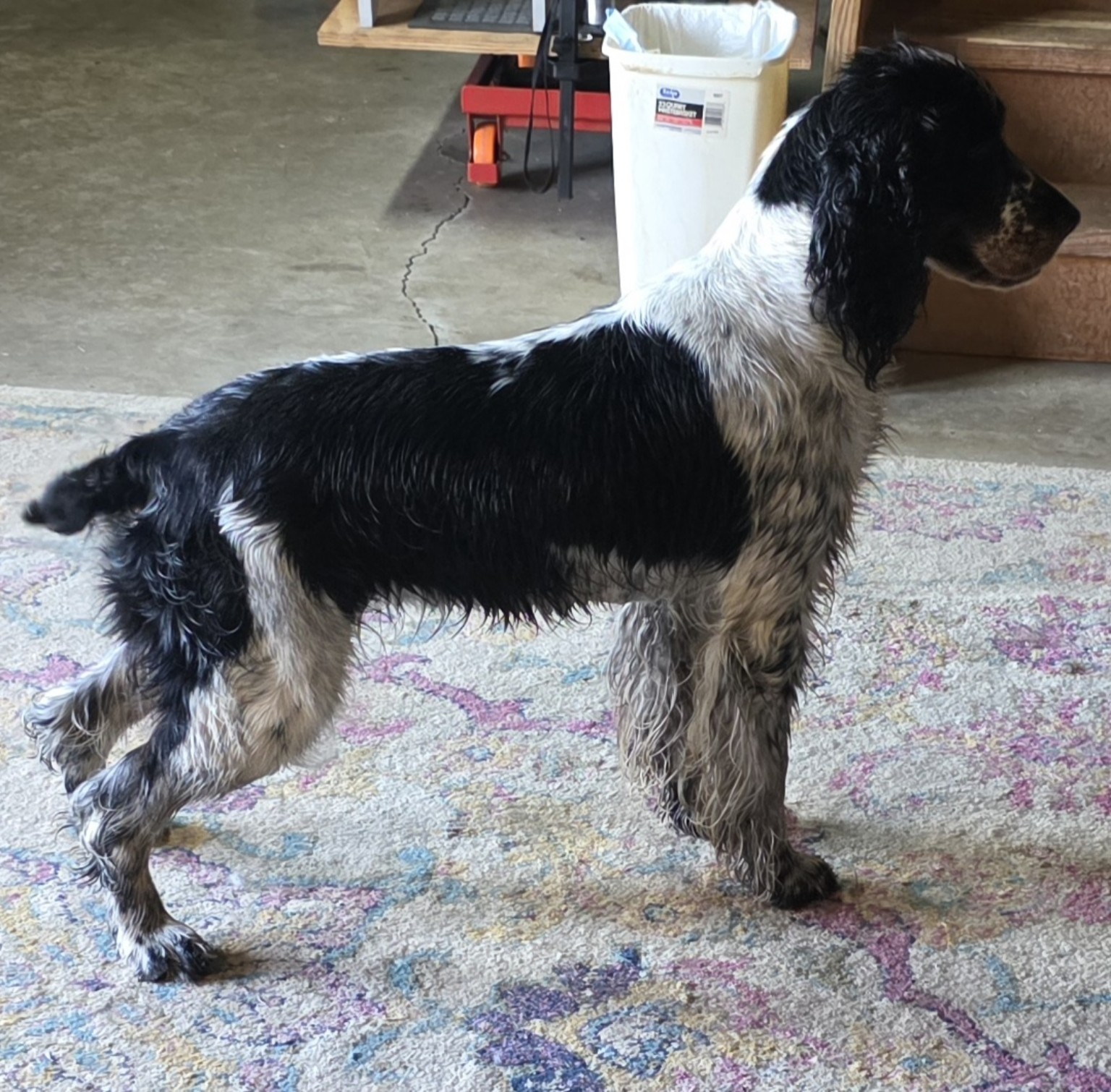
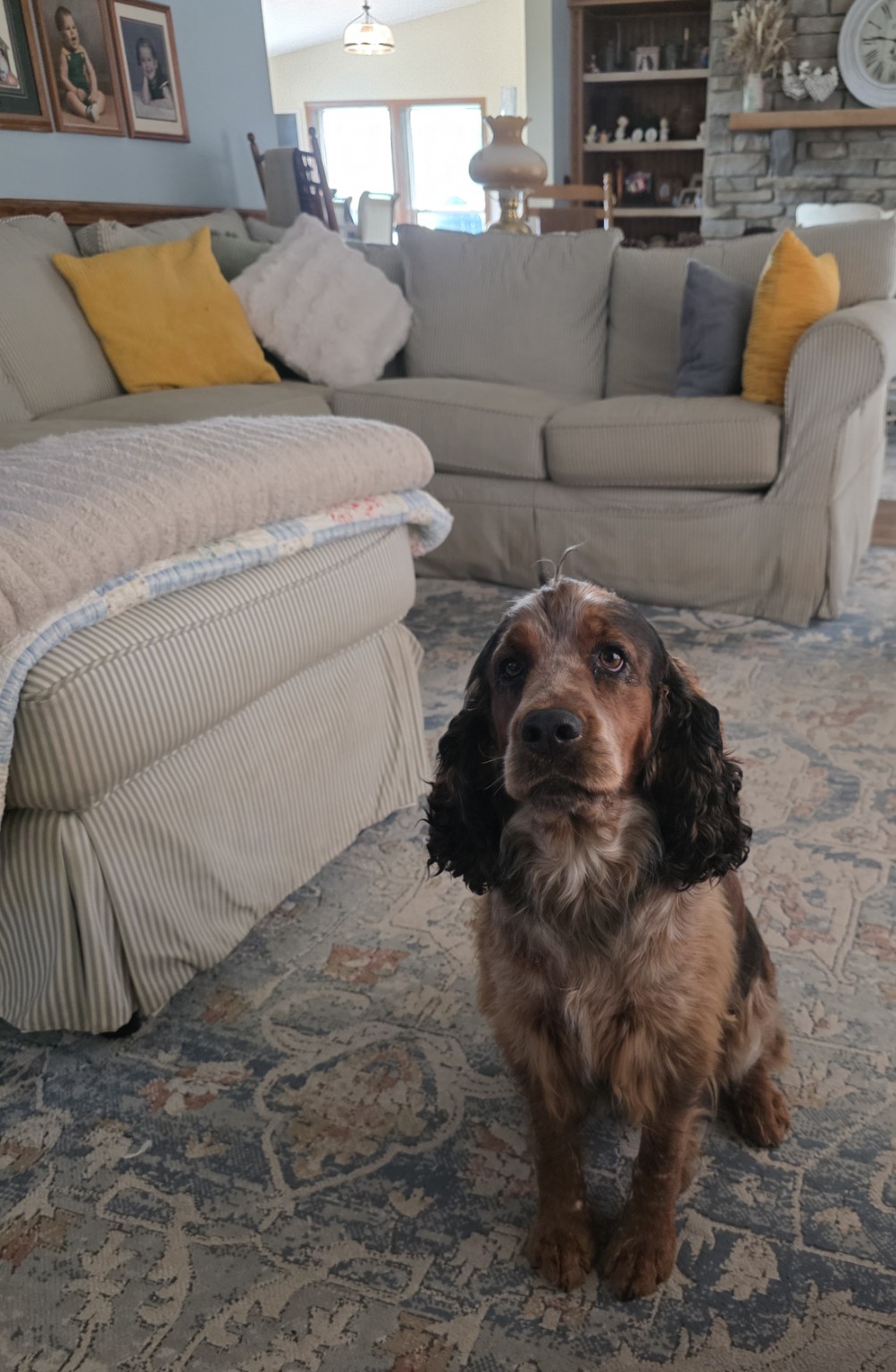
Giorgio
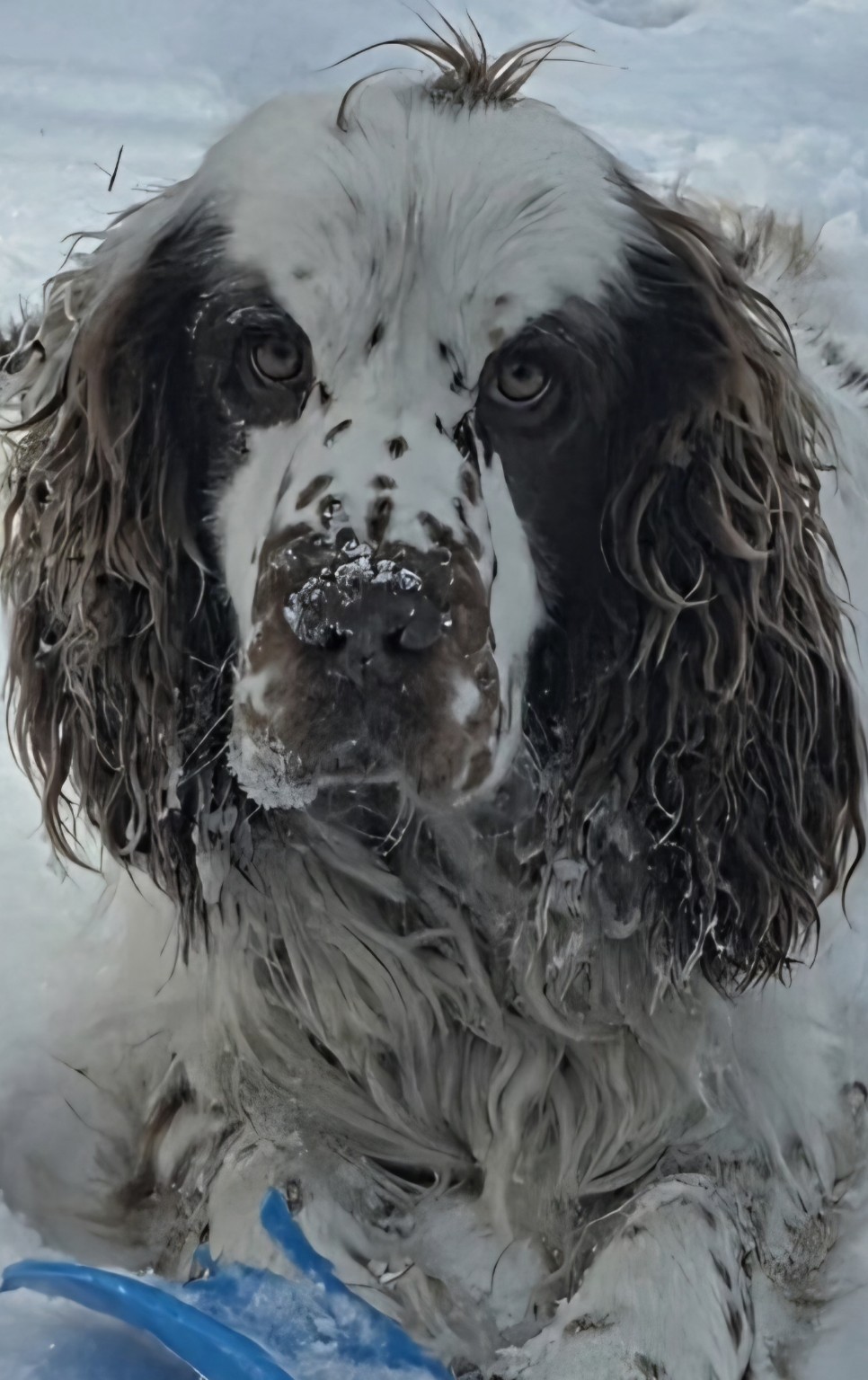
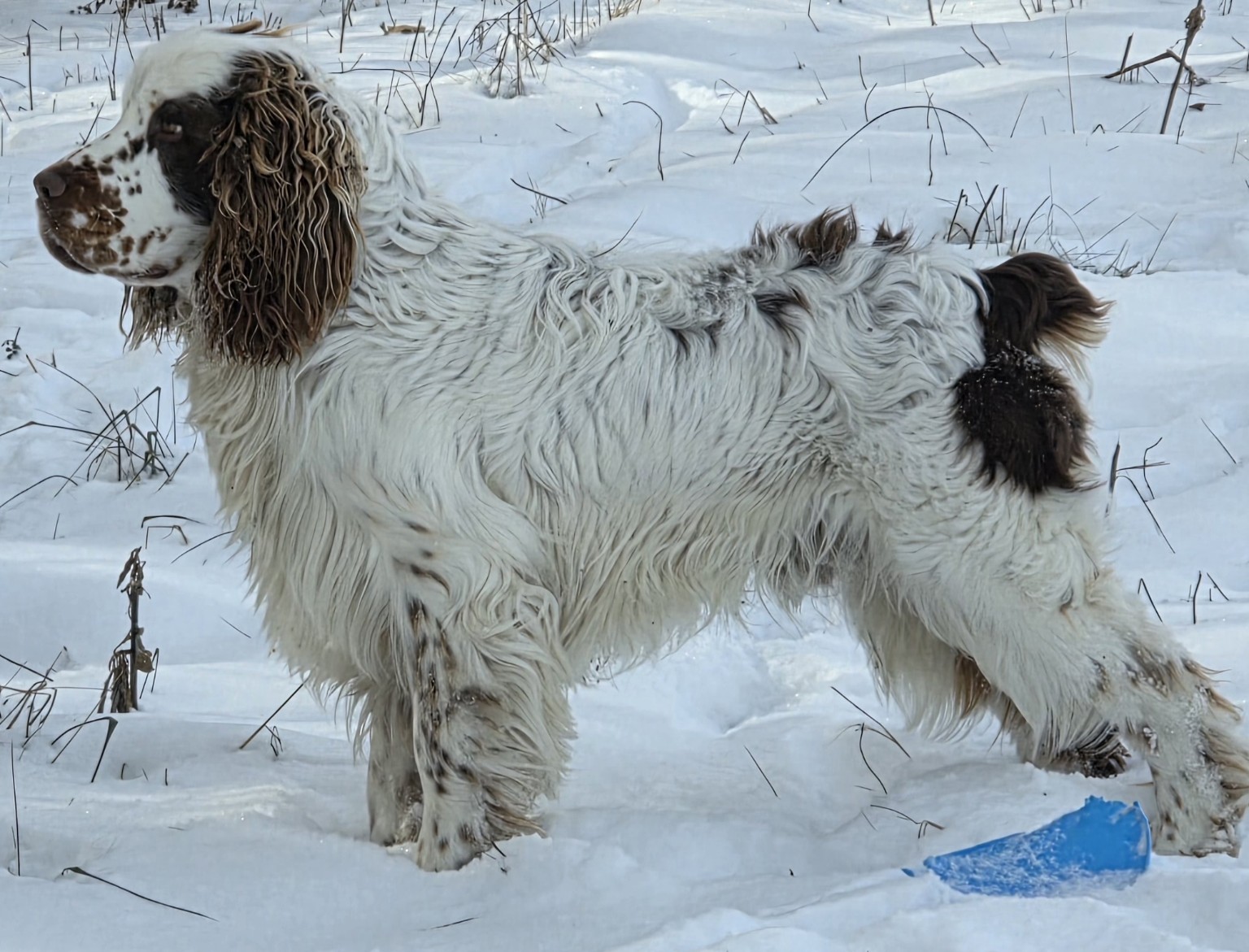
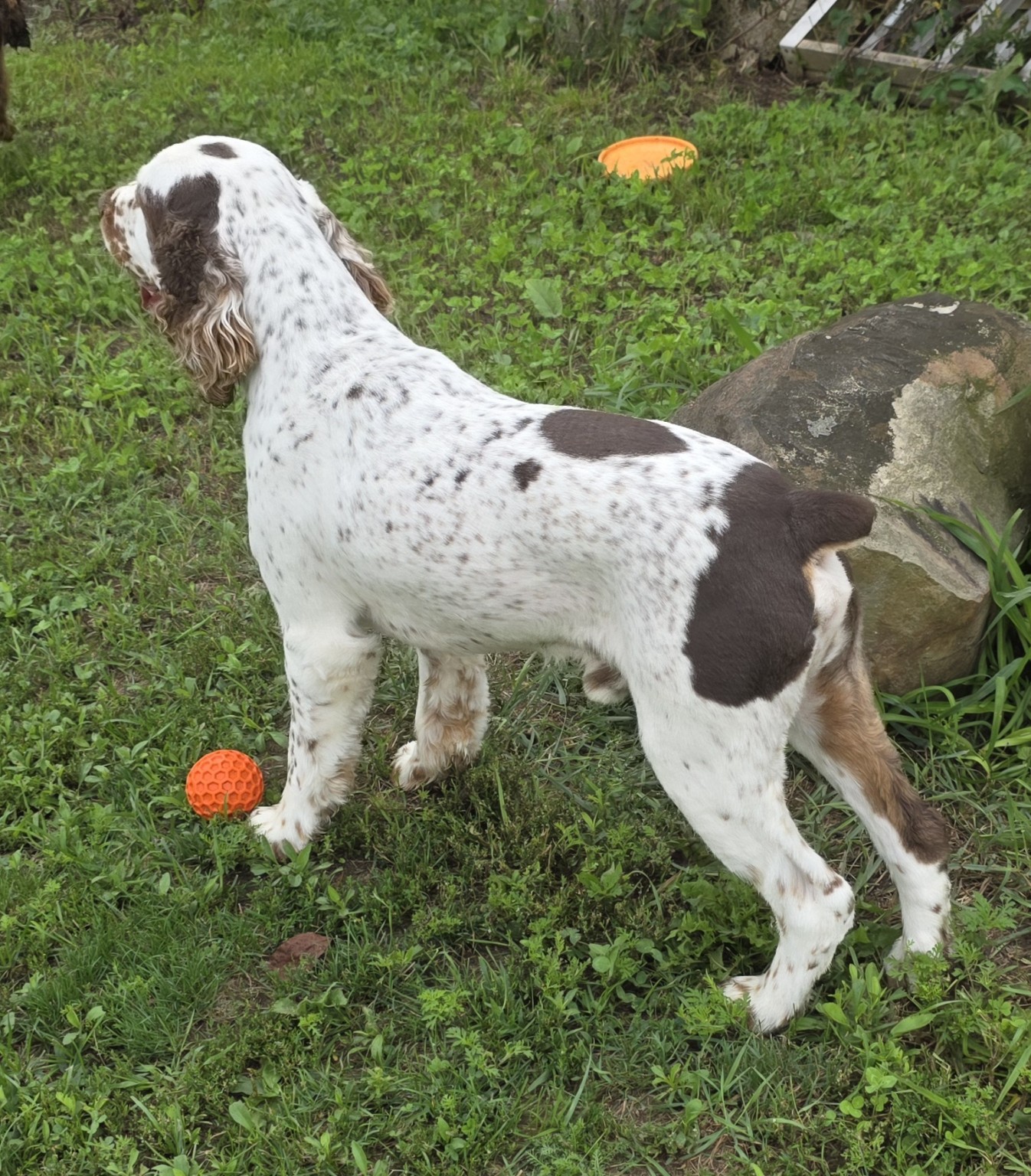
Affectionate, playful, and wonderfully biddable. Giorgio loves being close to his people and brings an easygoing warmth to the pack.
S.T.A.R. Puppy Rebel’s Ridgeview AcresEnglish Springer Spaniels
Many years ago, I rescued an English Springer Spaniel named Rebel. He was four years old—smart, beautiful, devoted, and sweet. I had no idea that one dog would lead to a lifetime of love for the breed.
More than 30 years later, that love is still here. Over the years, our Springers have included Rebel, Oscar, Beau, Ace, Blossom, Whiskey, Jazz, Giorgio, Francesca, and Vivianna. Saying goodbye is heartbreaking, but every dog has taught us something important along the way.
When I started out, I knew nothing about pedigrees, health testing, genetics, breed standards, training, or titles. But I am a lifelong learner, and I have made it my business to learn about this wonderful breed.
Breeding Springers has always been a dream. I raise a small number of litters with intention and put a lot of care into giving each puppy a loving, thoughtful start in life.
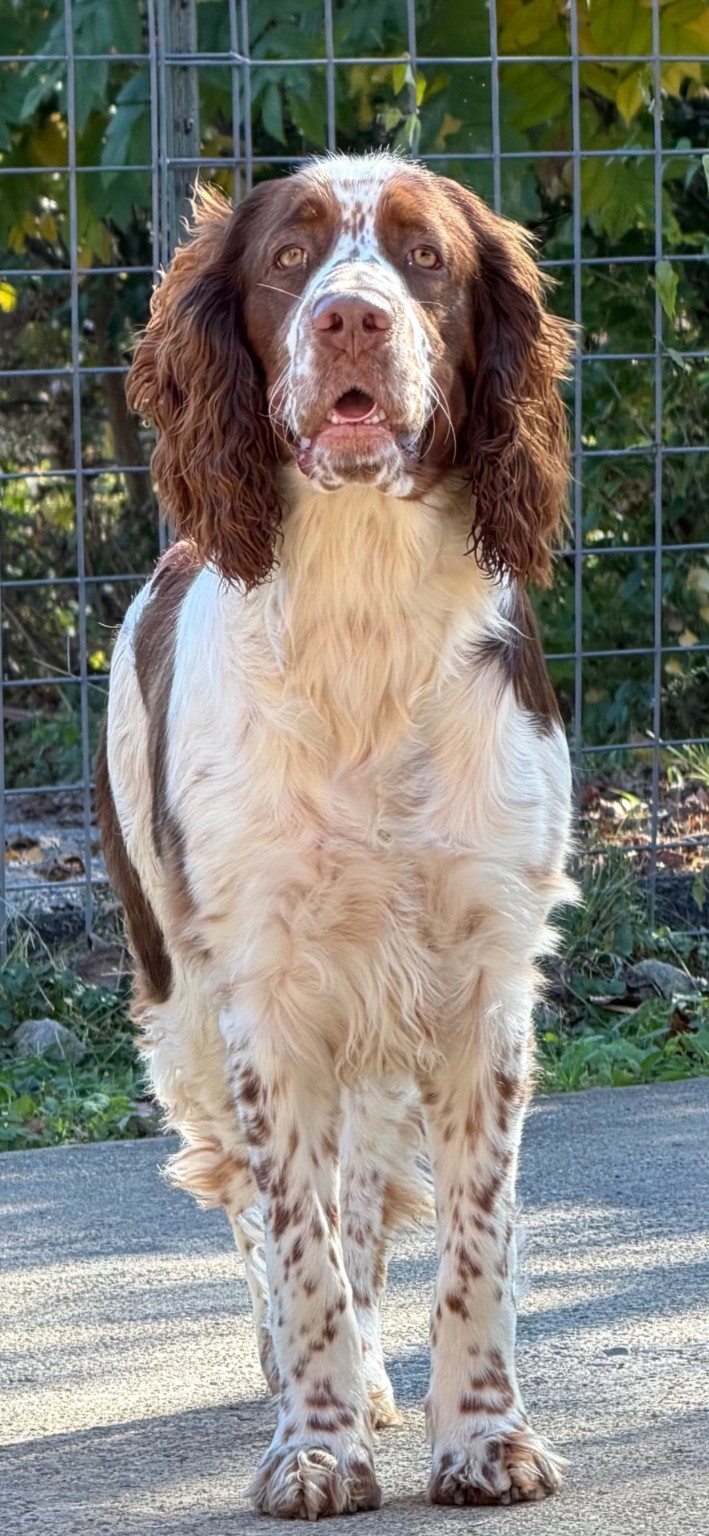
Different personalities, one happy household. These three are at the center of our breeding program.
Affectionate, playful, and wonderfully biddable. Giorgio loves being close to his people and brings an easygoing warmth to the pack.
S.T.A.R. Puppy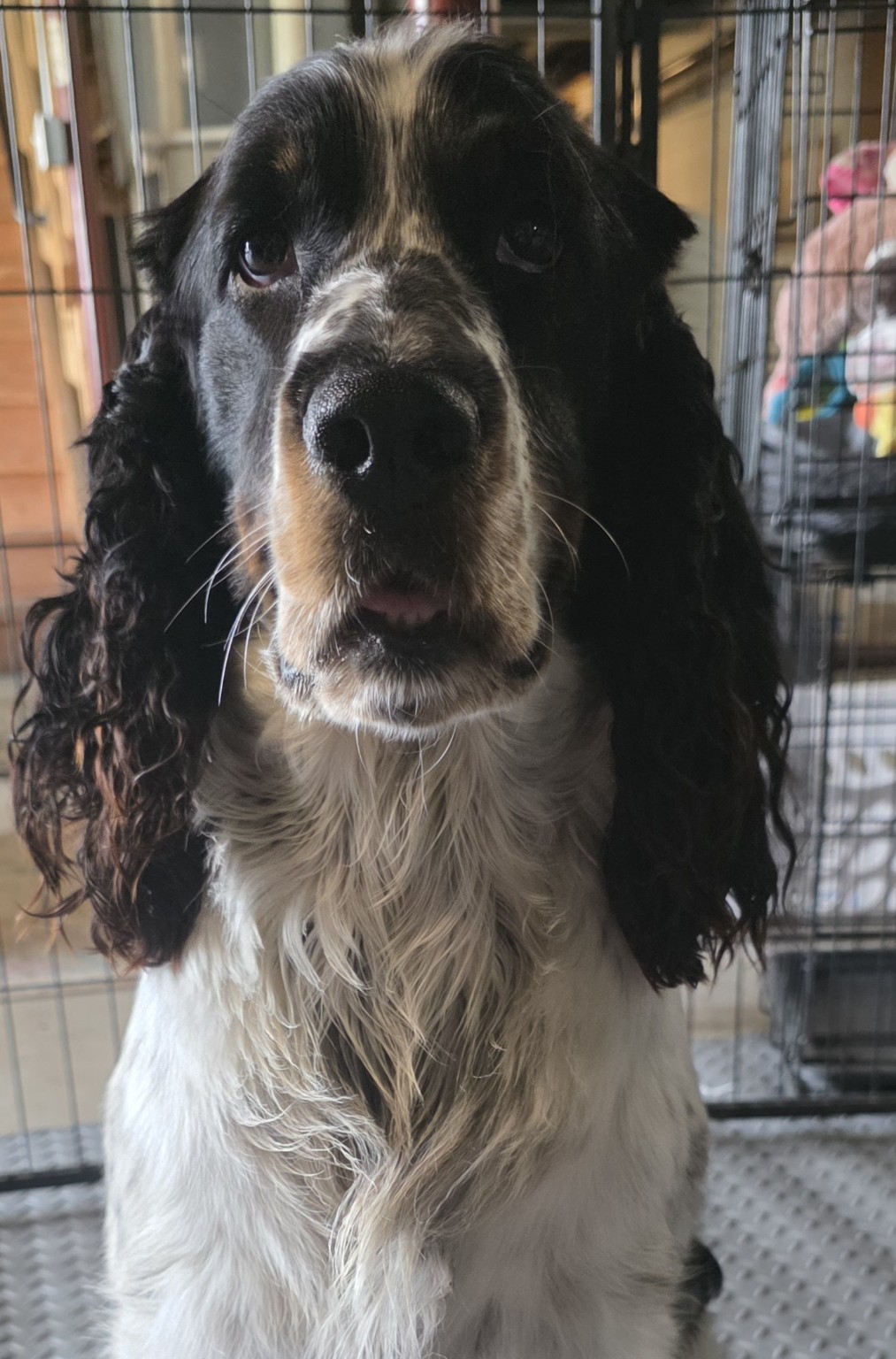
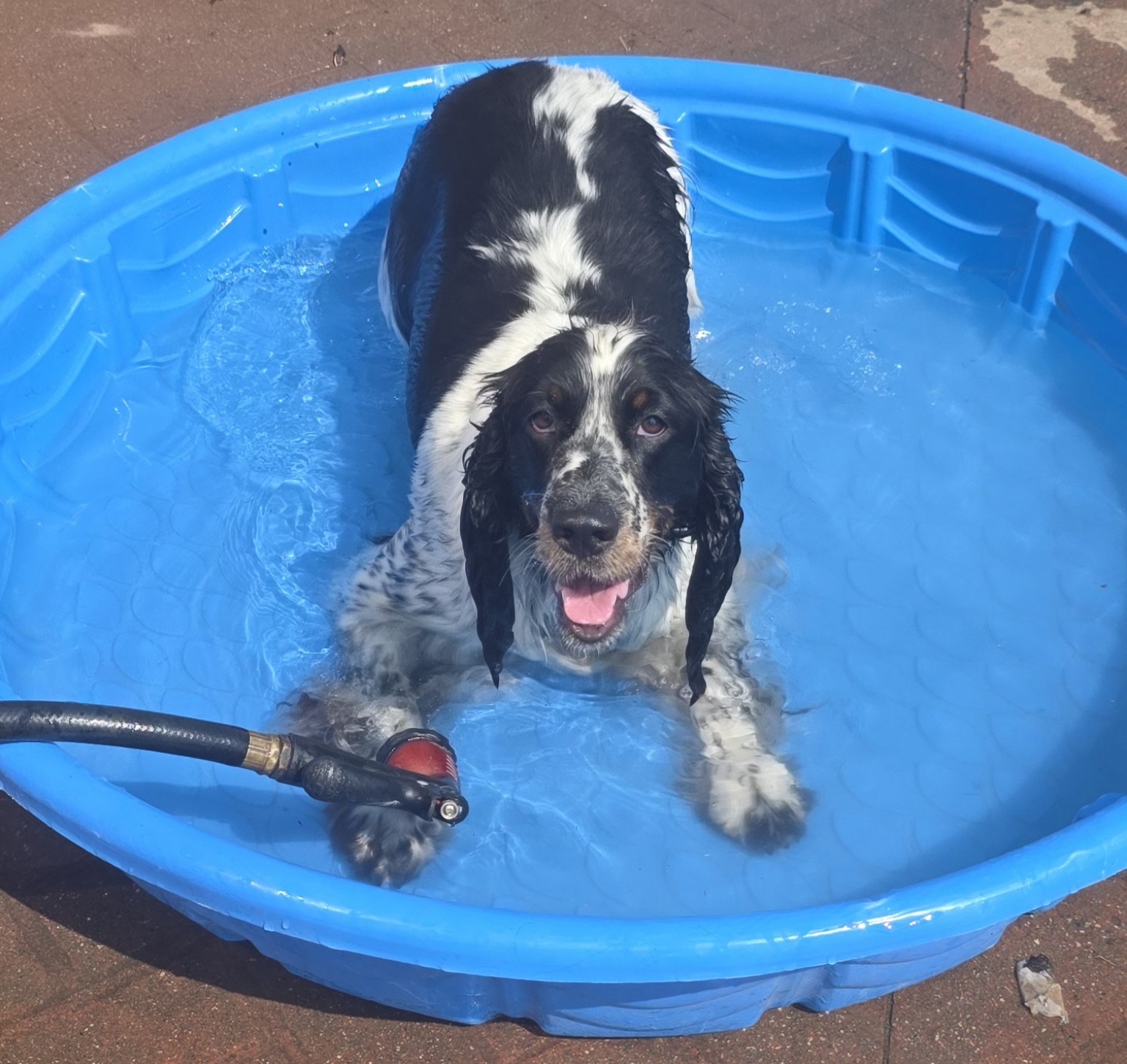
Francie is energetic, trainable, and sure of herself. She brings enthusiasm to every game and a focused, eager attitude to learning.
FITB · Fetch Novice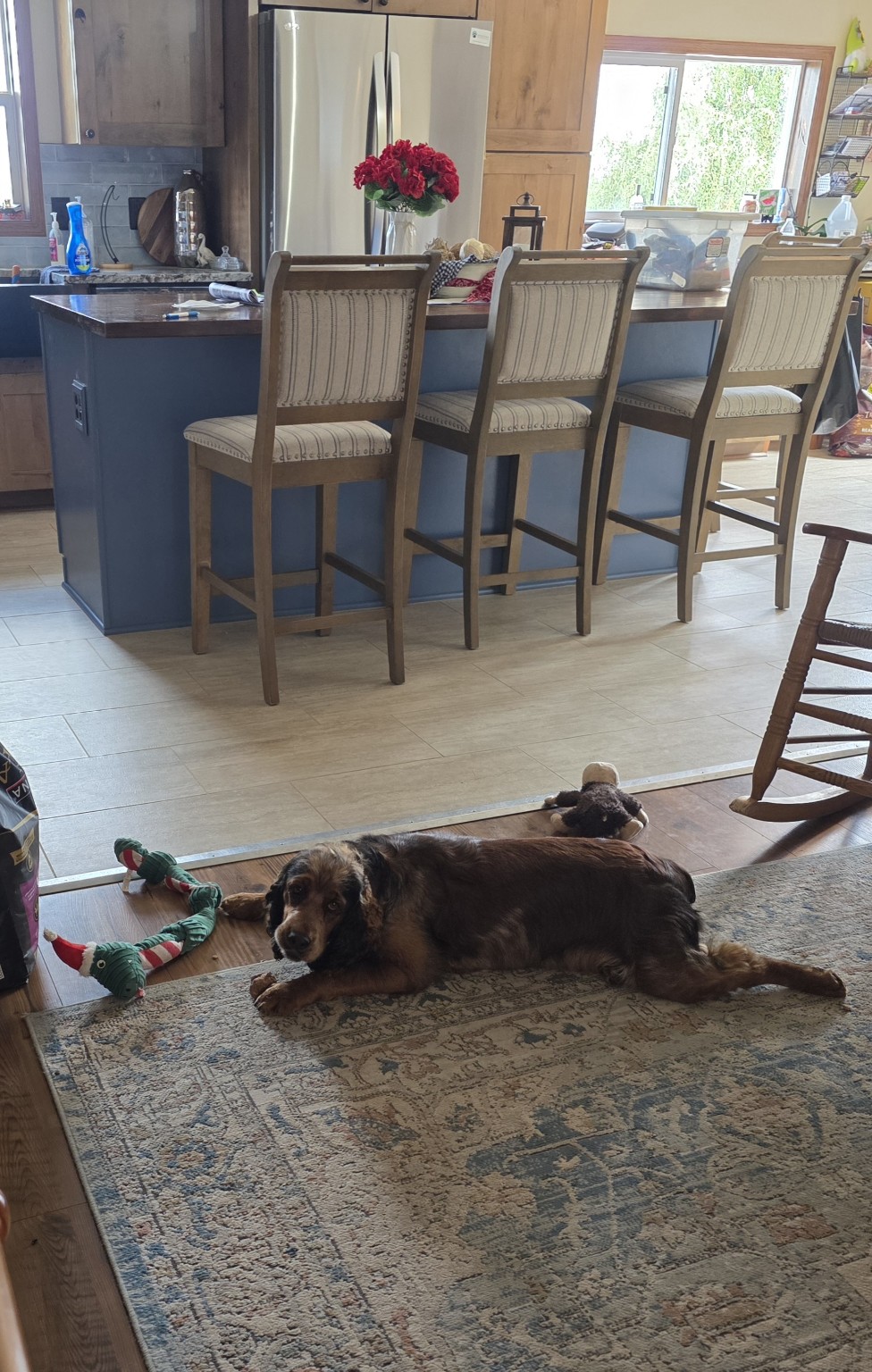
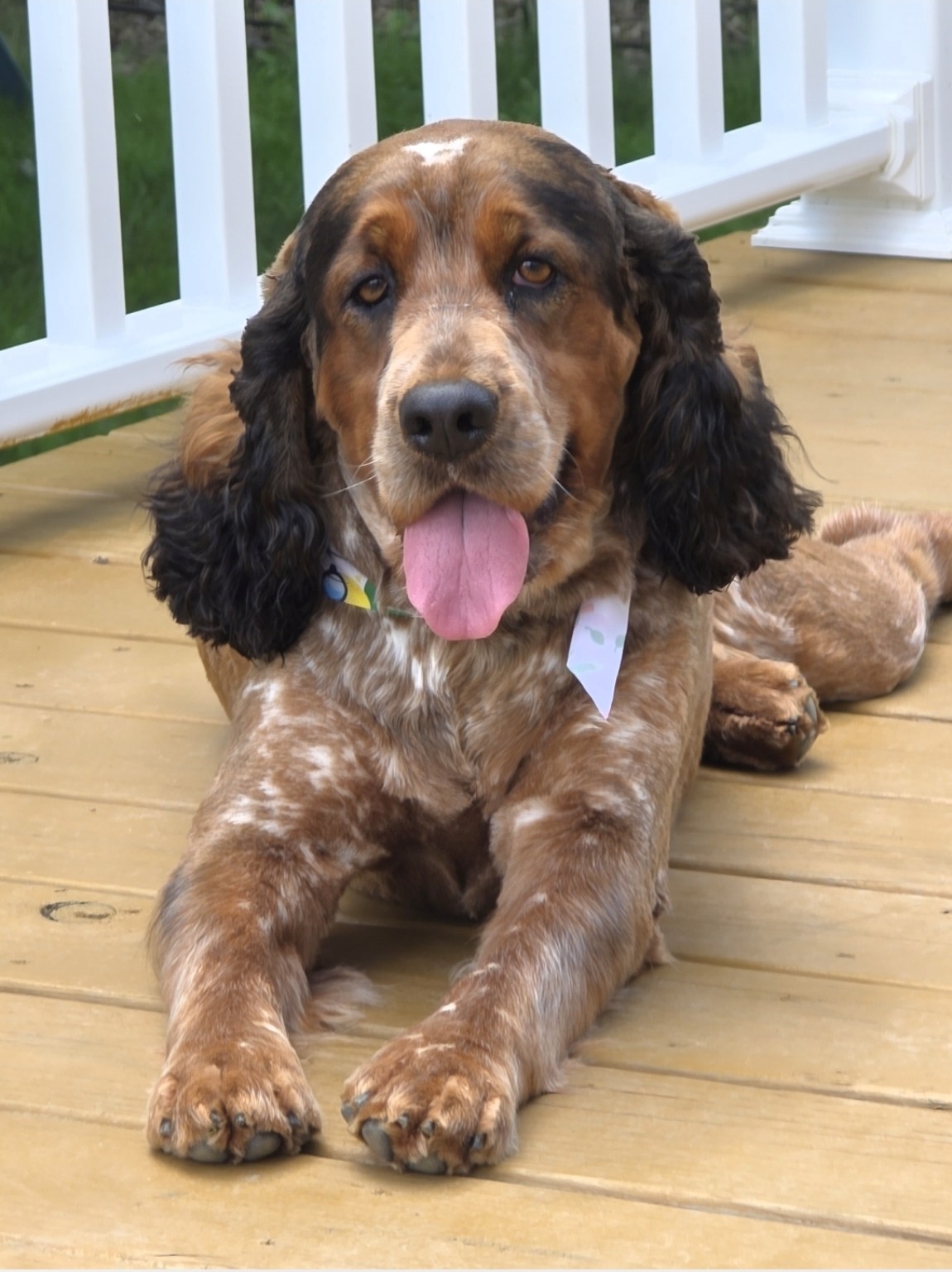
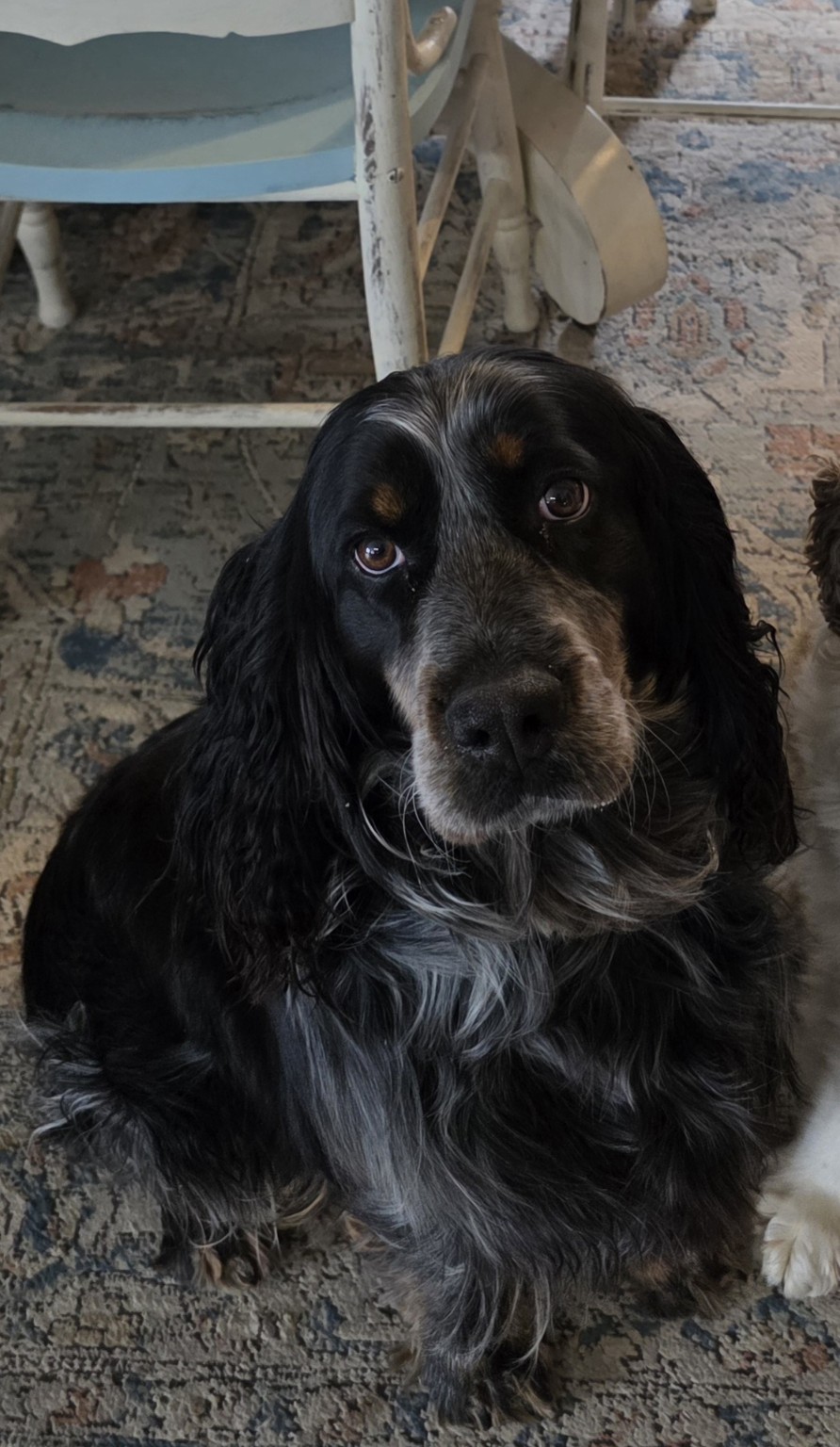
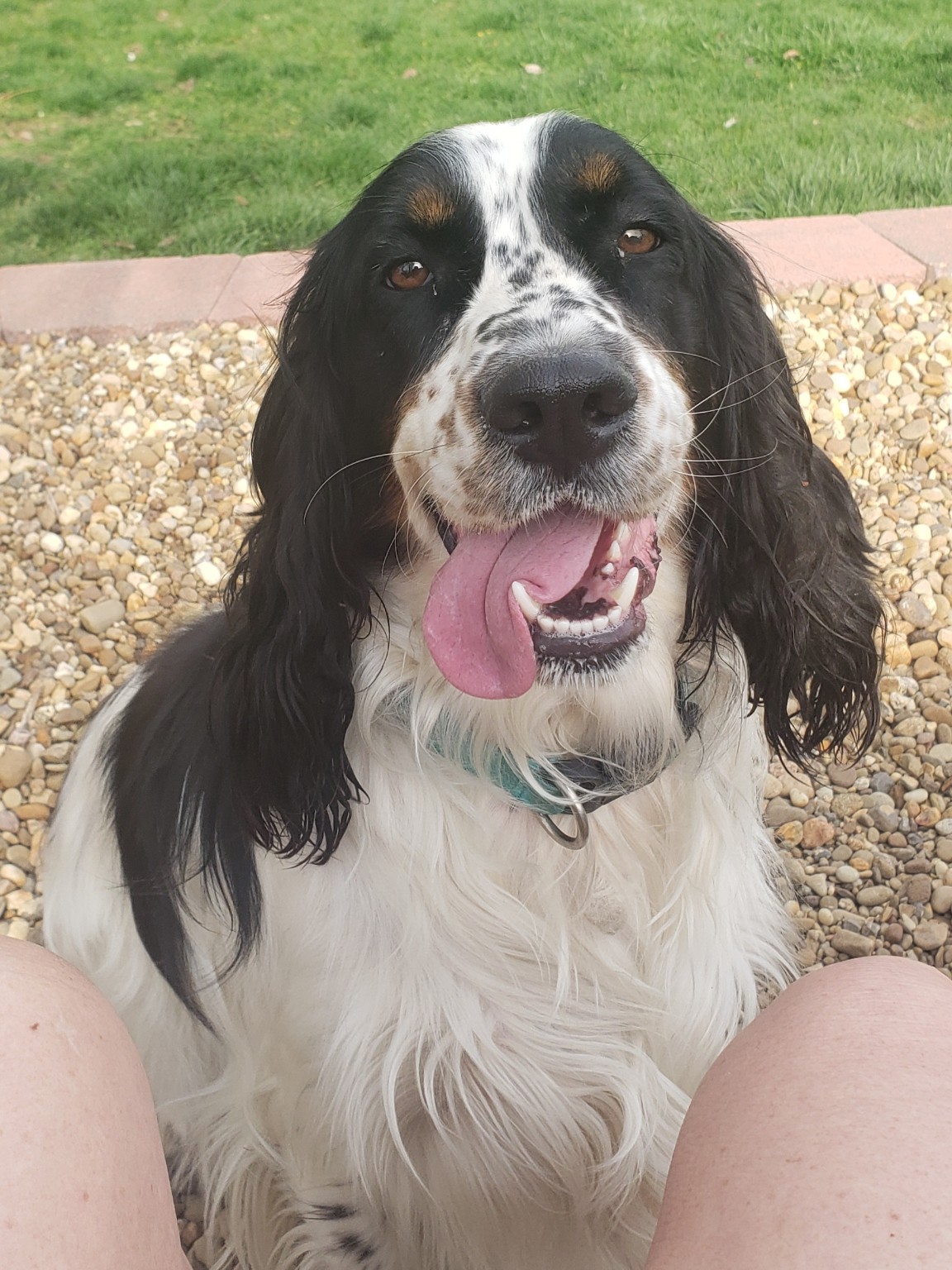
Sweet-natured and biddable, Vivy is happiest near her family. She may take a moment to warm up, then is ready to make a new friend.
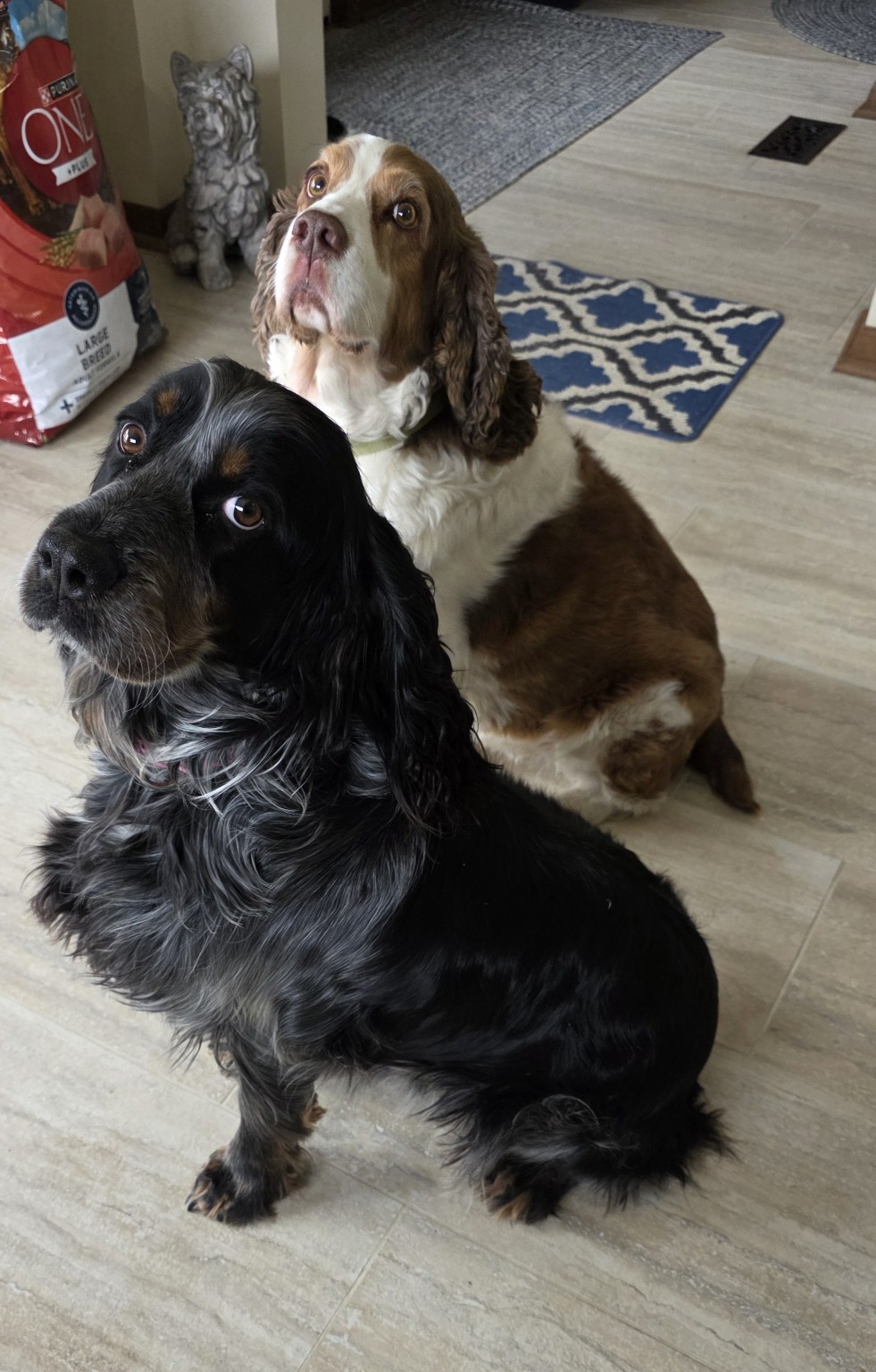
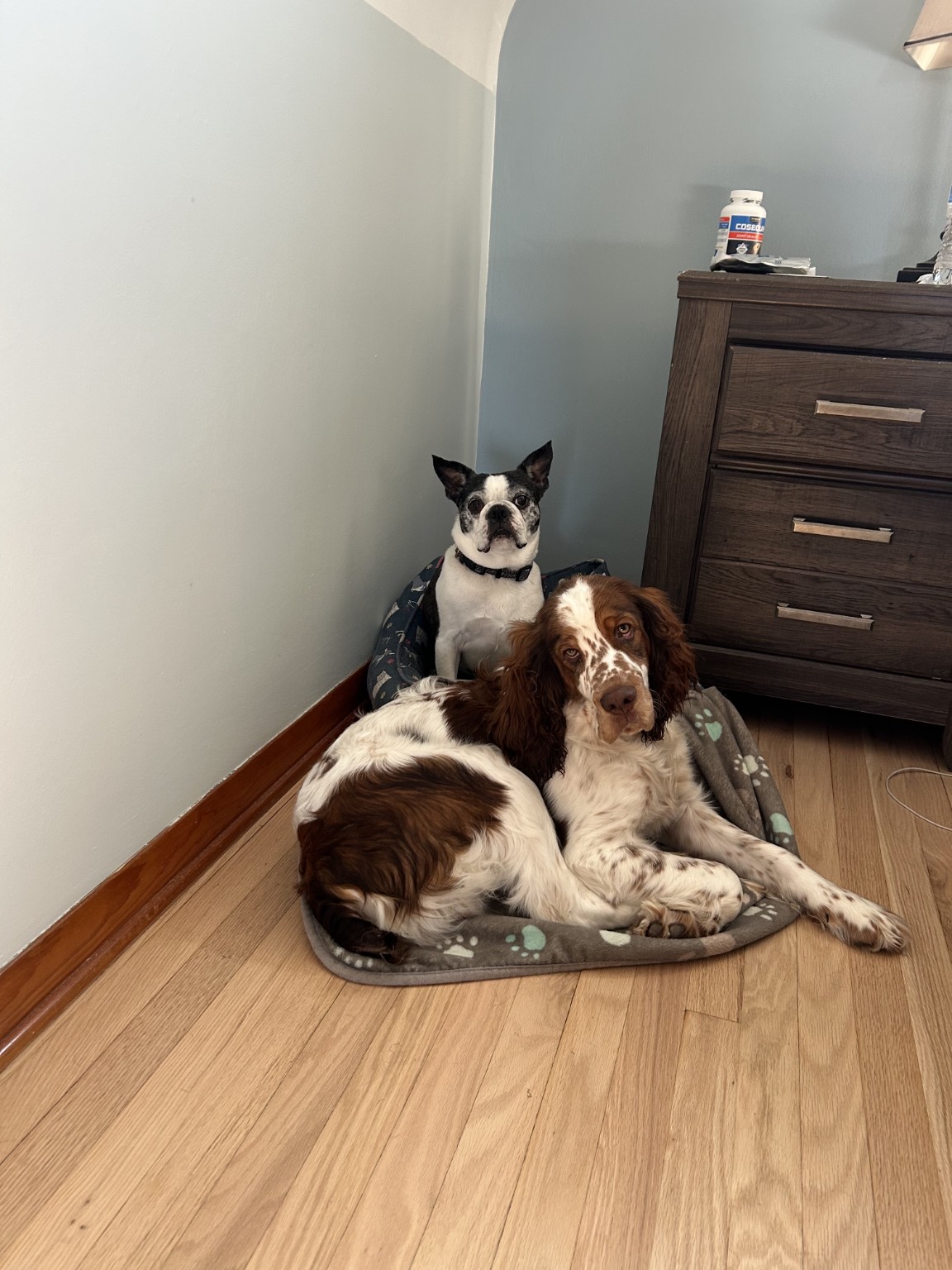
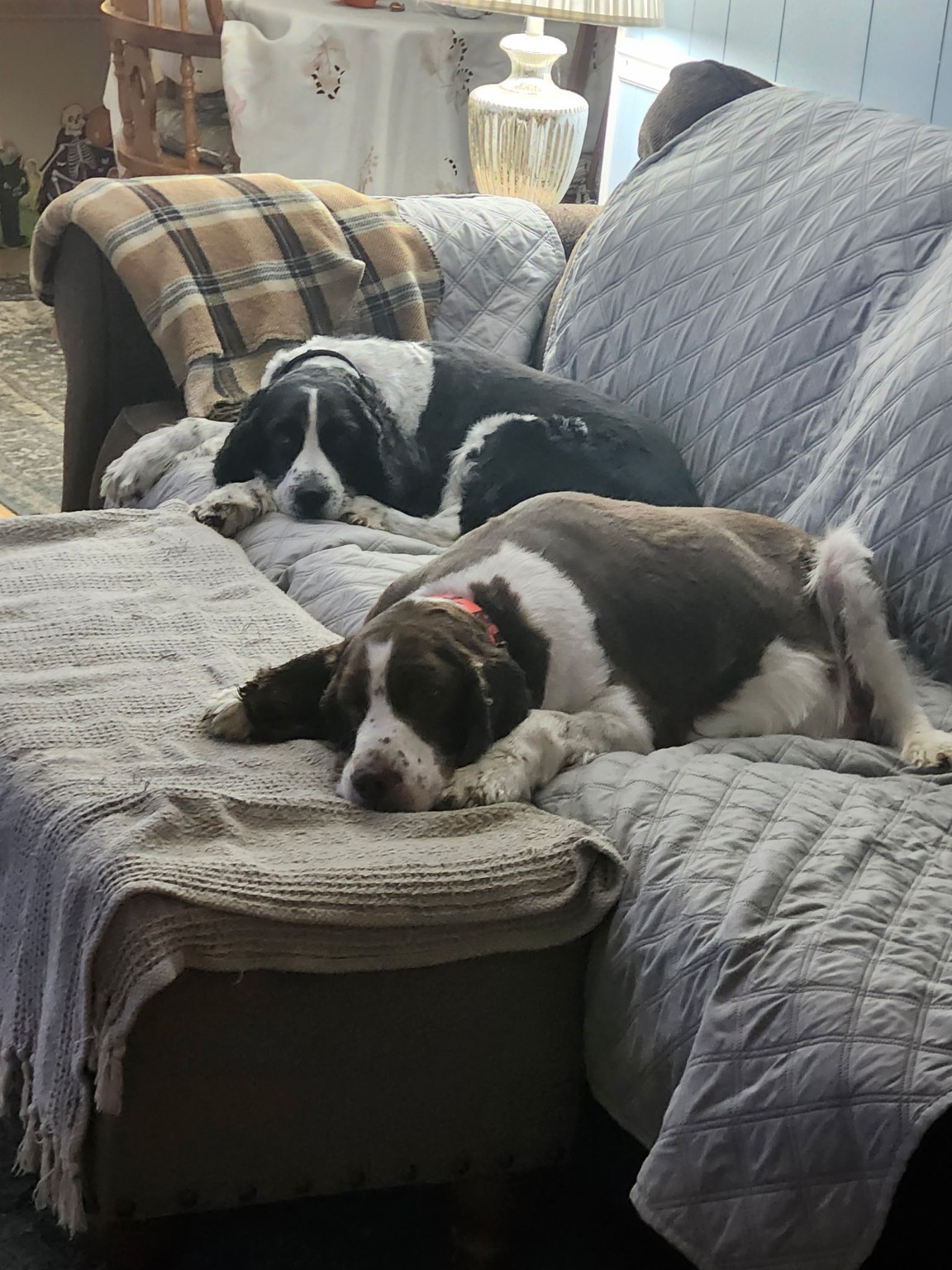
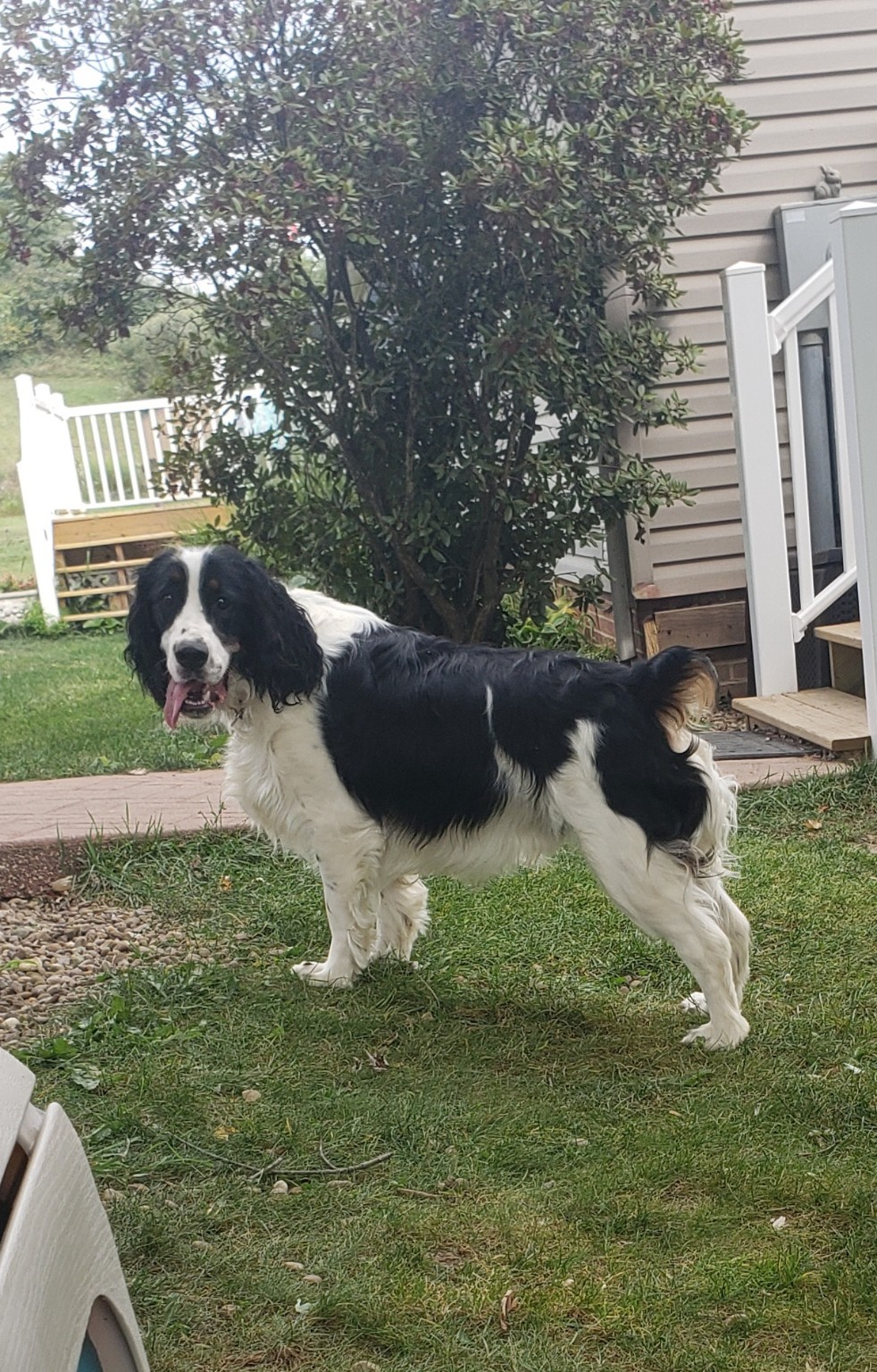
Fit NoviceGiorgio, Francie, and Vivy share their days with Blossom and Jazz. From sunny porch afternoons to the everyday bustle around the house, our dogs are family first.
Pedigrees and health testing results are available by request. Every dog has their own place in the story of our home.
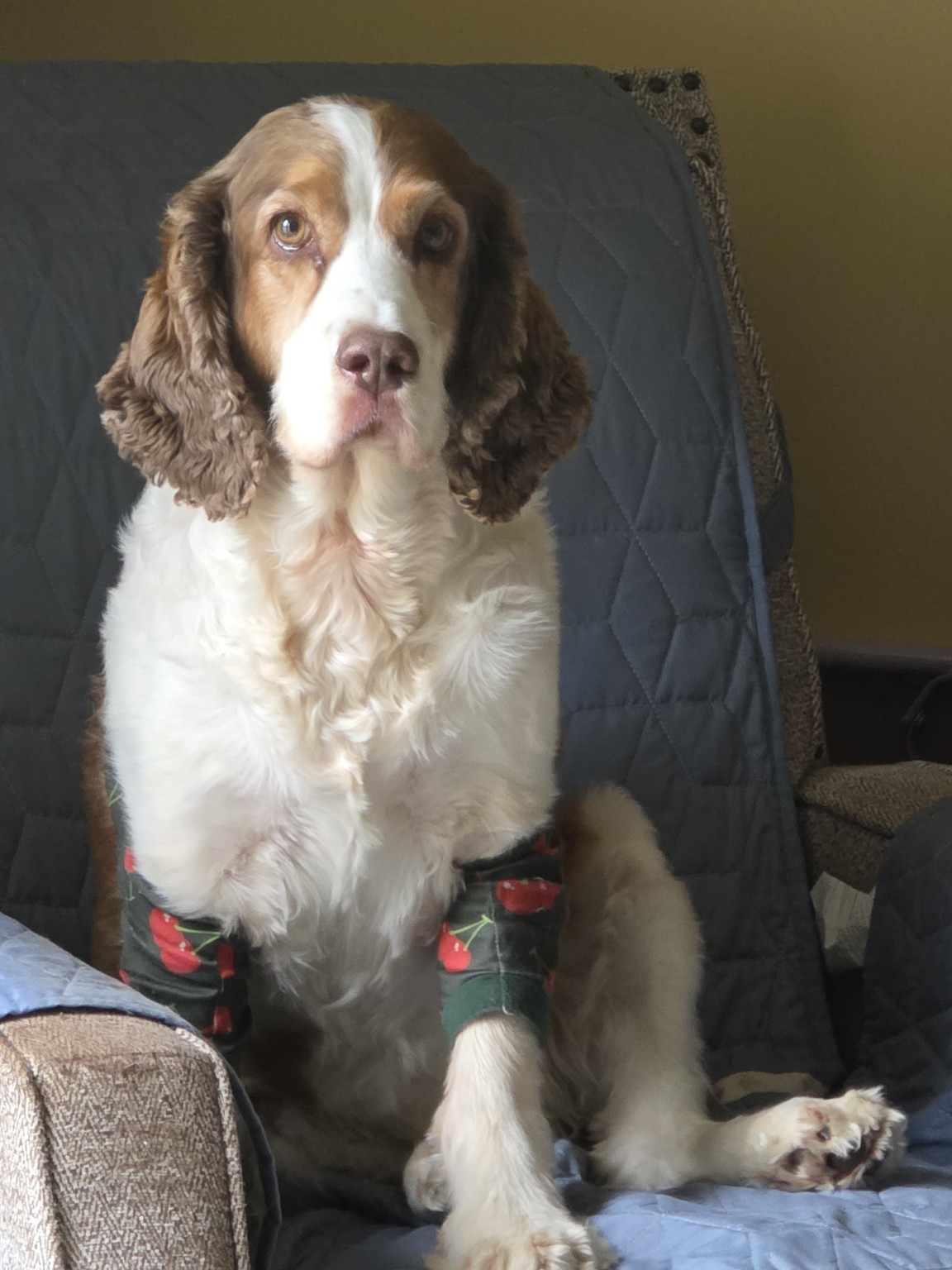
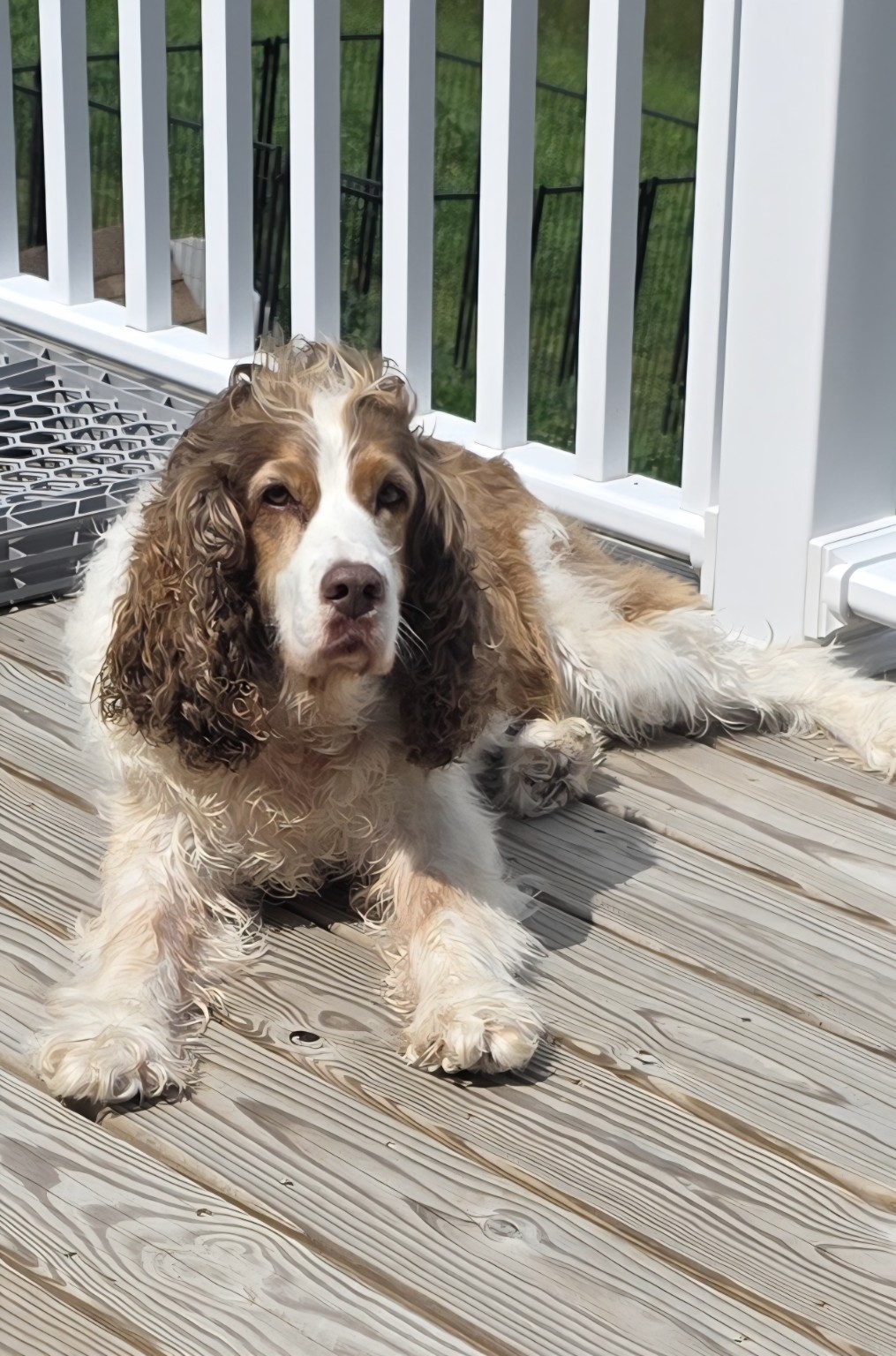
RRA’s All That Jazz
THDN · CGCA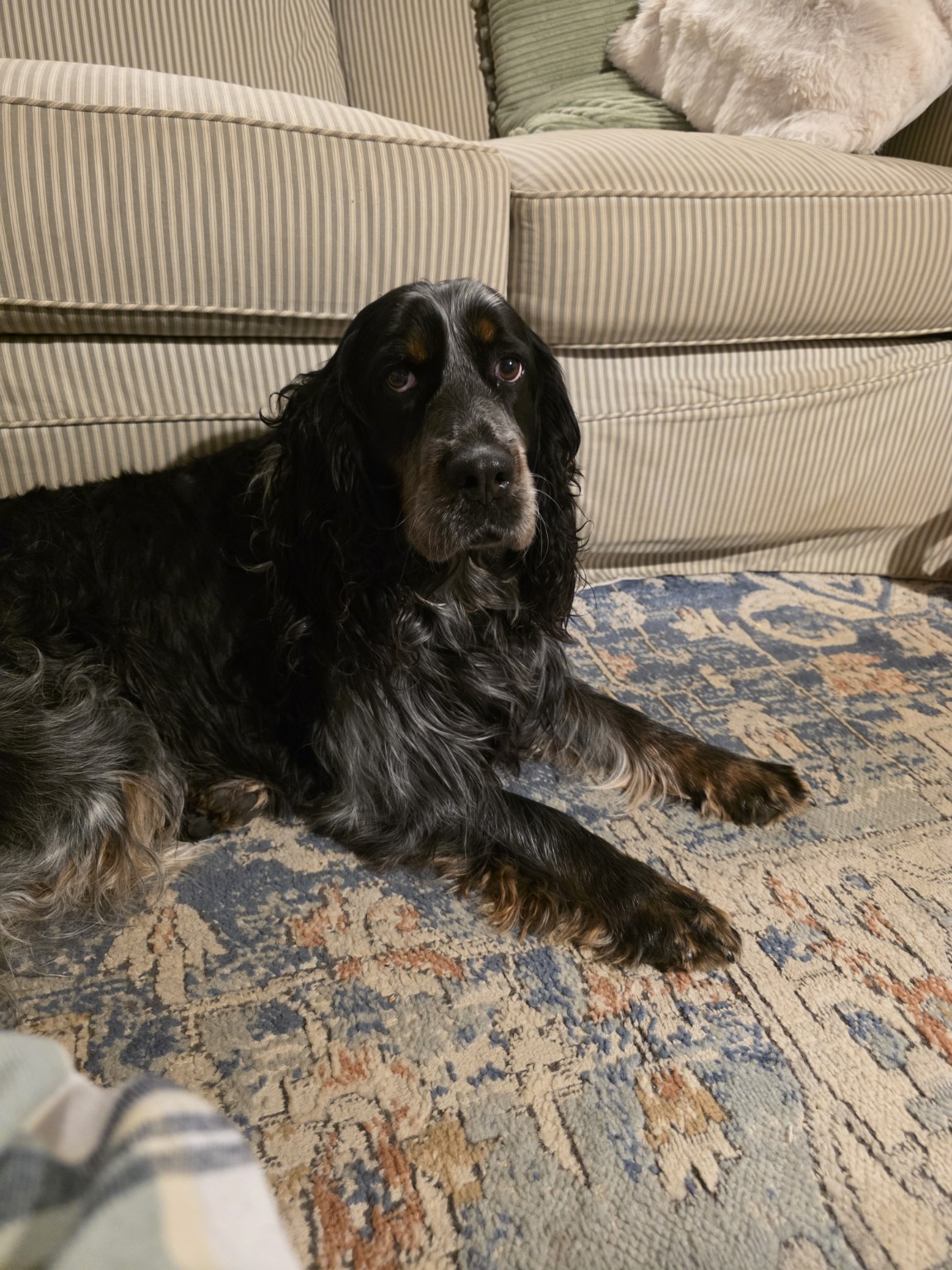
Planning for puppies Winter/Spring 2026/2027. Please contact me to be added to the wait list.
Each litter receives time, gentle attention, and new experiences throughout the first eight weeks.
I work with the puppies every day so they can begin exploring the world in a safe, supportive home environment. The early weeks include gentle handling, scent and sound experiences, crate introductions, and confidence-building play.
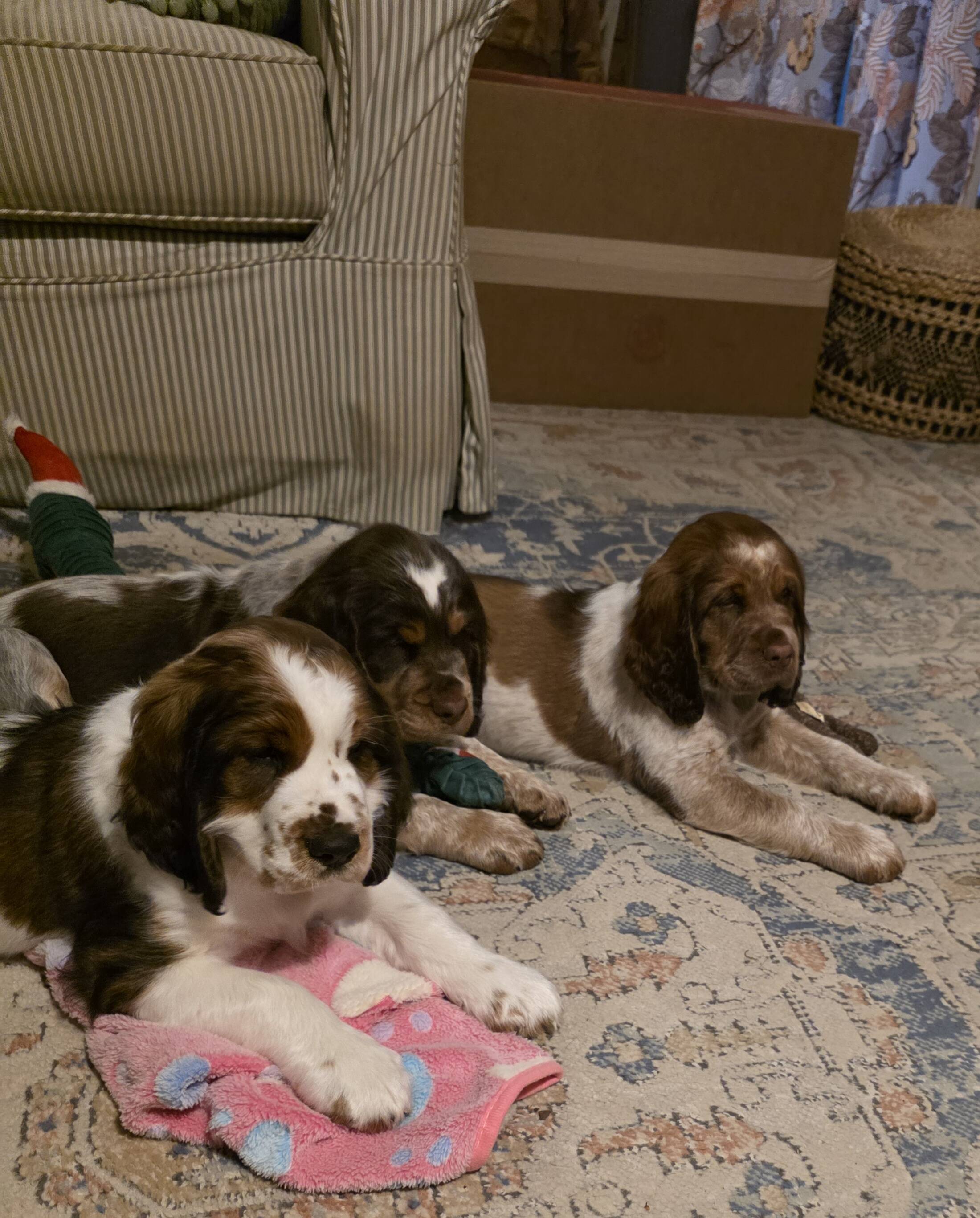
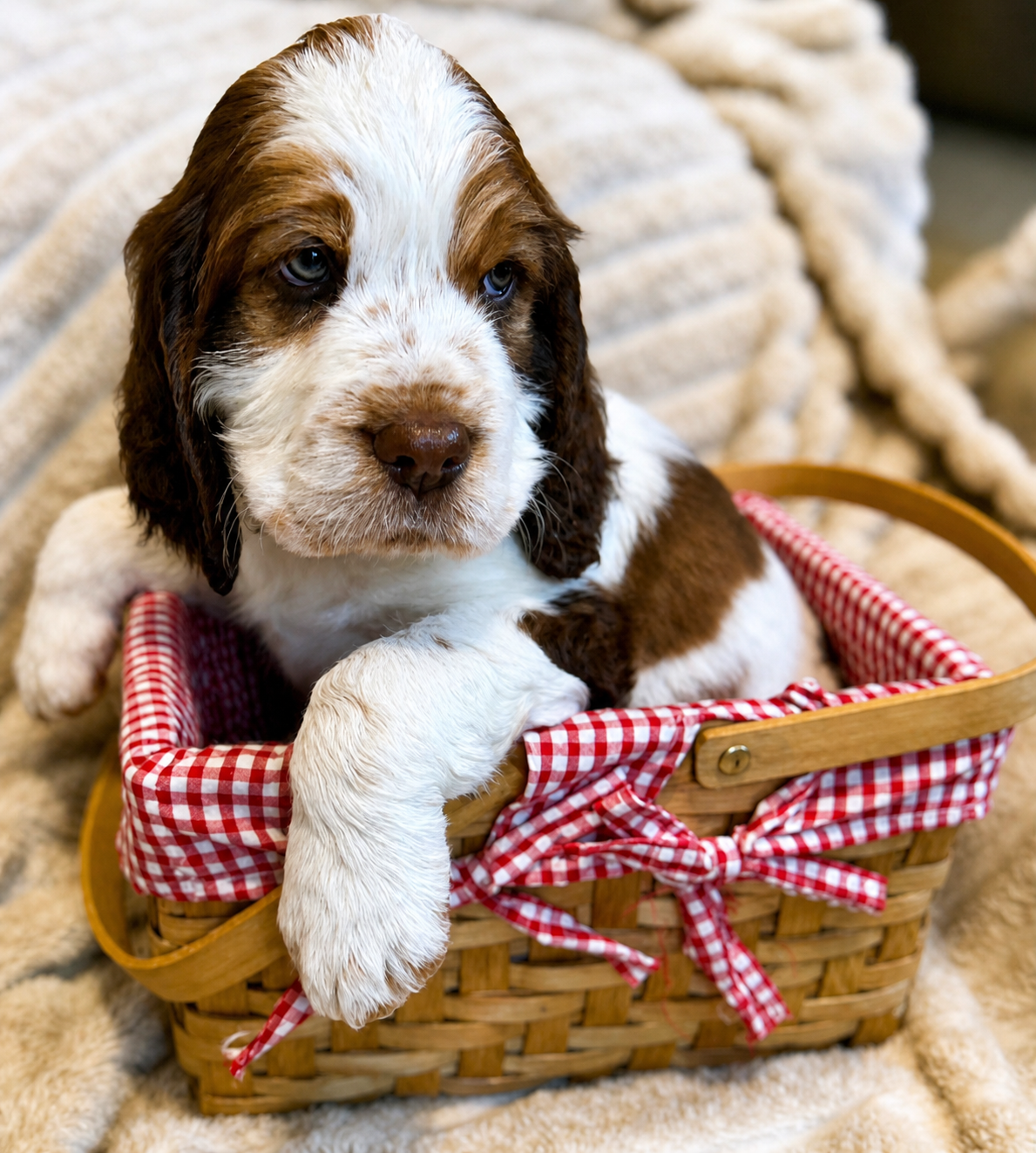
Photos and updates as our puppies grow with their families.
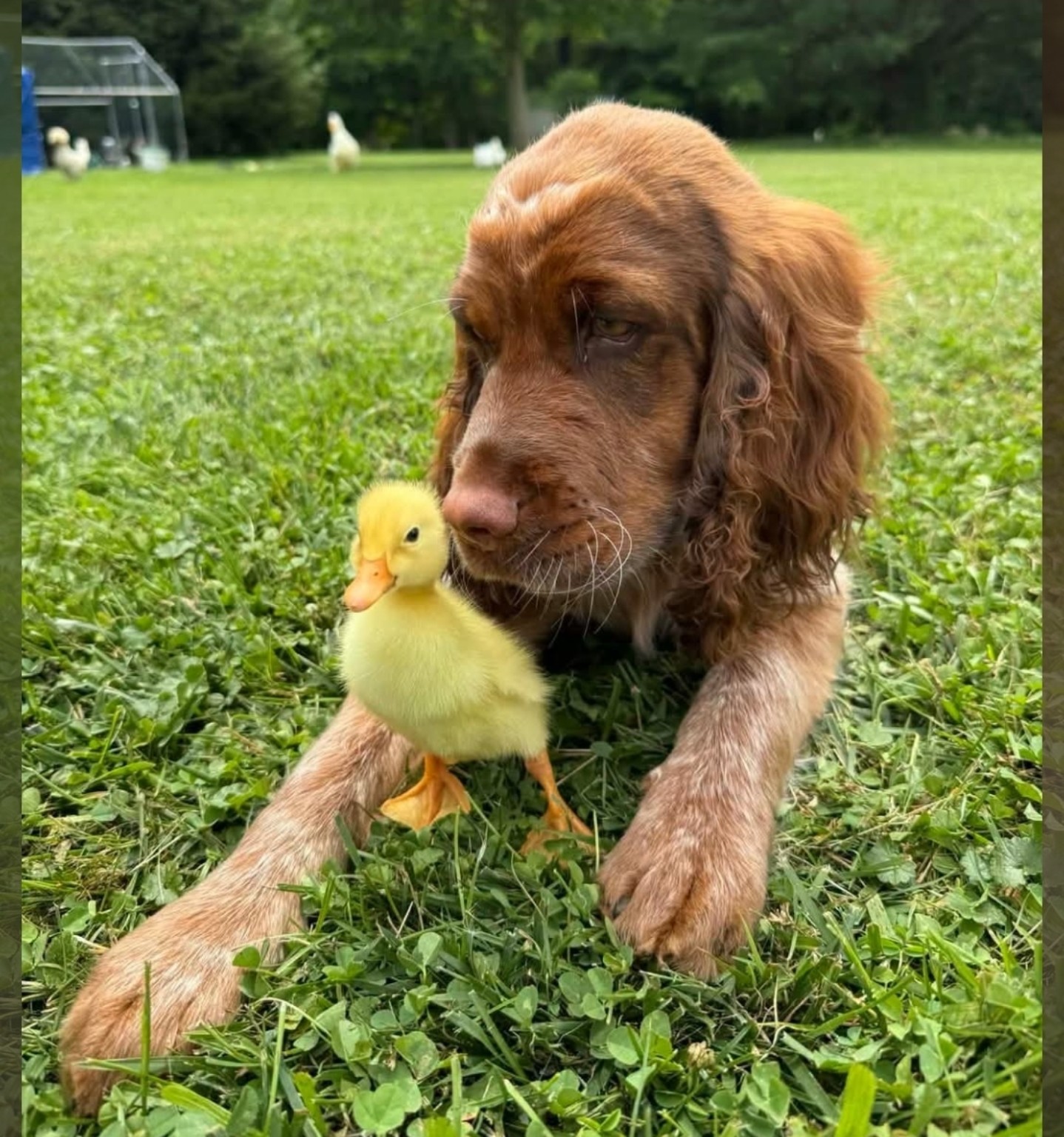
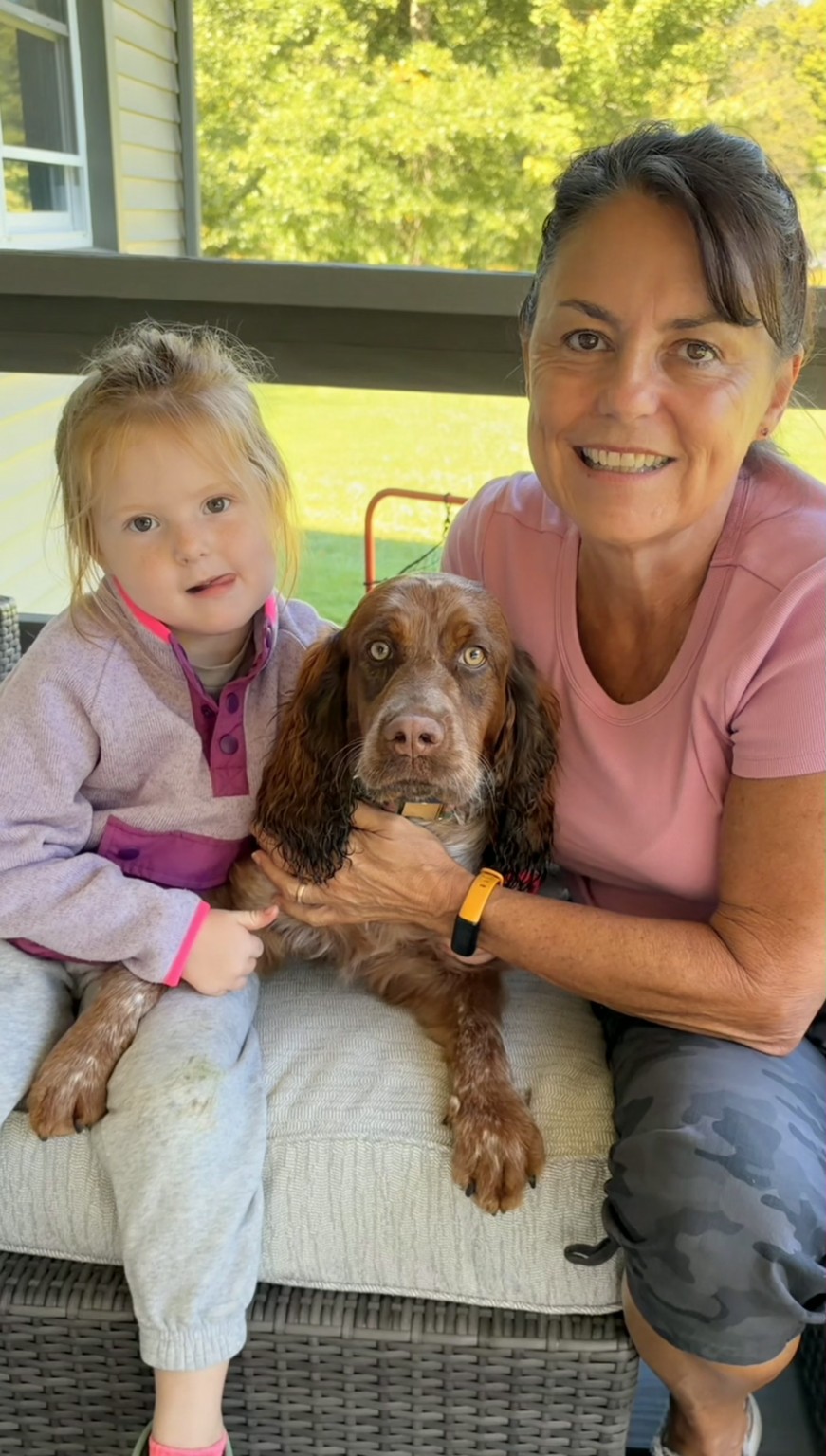
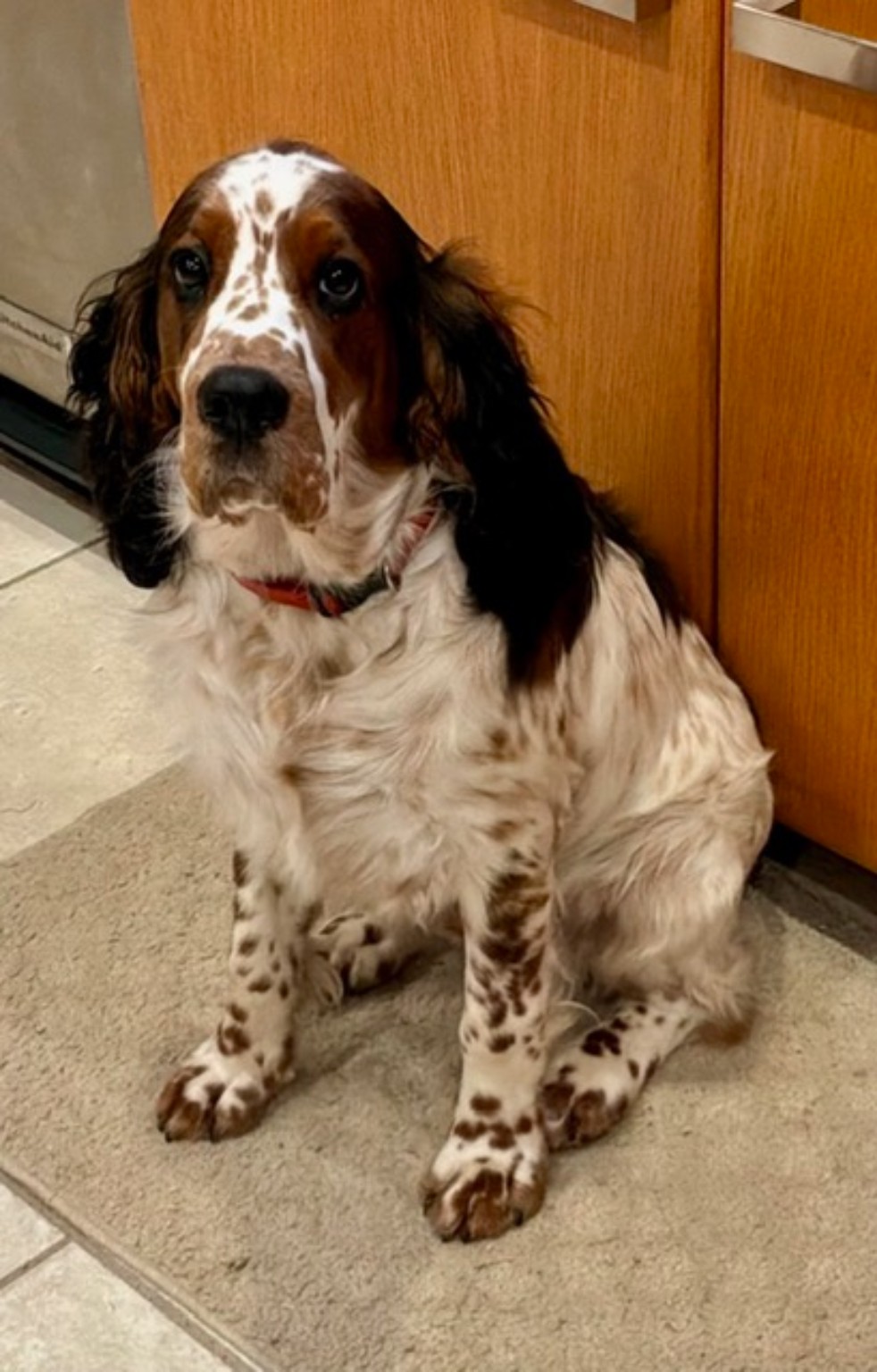
A growing library of notes on English Springer Spaniel health, grooming, puppy care, and breed history.
These articles reflect Michelle’s experience and the original material on Rebel’s Ridgeview Acres. They are educational resources, not a substitute for advice from your veterinarian or a qualified specialist.
Genetic diversity in dogs (disclaimer: I had AI assist me in writing this article, as I am not quite as eloquent a writer).
Why is genetic diversity in dogs a growing concern?
Genetic diversity is a crucial factor in maintaining the long-term health of dog breeds. It refers to the degree of genetic variation within a population. A more diverse gene pool enhances a dog's chances of being healthy, fertile, and long-lived.
What is genetic diversity, and why is it important?
Each dog inherits genes from its parents. When the parents are unrelated, the offspring benefits from a diverse mix of genes, which protects against inherited diseases. However, when dogs are closely related, they are more likely to pass on identical genes, including detrimental ones. The Coefficient of Inbreeding (COI) measures this phenomenon. A higher COI indicates a higher degree of inbreeding. As COI increases, so does the risk of genetic diseases, weakened immune systems, lower fertility, and shorter lifespan. Research indicates that once COI exceeds 12.5%, the risk of health problems increases significantly. The average COI for an English Springer Spaniel is 18%. If dogs have a COI of 25%, that is the equivalent of siblings breeding.
The problem of inbreeding in dog breeding
Inbreeding is not always unintentional; it is sometimes done deliberately. Breeders may engage in linebreeding or inbreeding to “lock in” specific traits, such as appearance, coat, or movement. This is particularly common in show-line dogs, where winning traits are highly valued. One major issue is the “popular sire effect.” When a single winning male is bred excessively, his genes spread rapidly through the population. While this can fix desirable traits, it also disseminates hidden genetic problems and reduces overall diversity. Over time, this creates a smaller gene pool, even if the breed appears large in numbers.
My goal
Better genetic diversity in English Springer Spaniels. I studied the pedigrees of my dogs and made sure there was no close linebreeding for five generations. Then, as I added to my program, I made sure none of my new dogs shared close common ancestry with my others. While I take other things into consideration, this is very important to me.
Giorgio has a COI of 11%, as does Vivianna, so it is pretty safe to estimate the puppies they have will also be in the vicinity of 11%. Conformation is important, don't get me wrong, but I will take a dog with a less-than-perfect stature or a non-standard color over an inbred dog any day. Temperament, on the other hand, is not negotiable.
Originally published on Rebel’s Ridgeview Acres.
I thought it fitting to write a bit more about PennHIP and OFA X-rays. Genetics are an easy test that is relatively inexpensive and can be done any time in a dog's life. X-rays, depending on PennHIP versus OFA, have age requirements.
When I first started breeding, I knew nothing about health testing. Over the years I have researched and learned. Although it does not guarantee anything, I have come to the conclusion that it gives puppies the best possible chance at a healthy life. The more testing you do on the parents, the more tools you have to make good breeding decisions. I have had plenty of dogs whose parents had no testing and who lived pretty good, long lives, so I know that is possible.
Many people think hip dysplasia is completely genetic and that OFA or PennHIP scores can predict whether a dog will have hip problems. That is not true. OFA and PennHIP are helpful tools, but they cannot guarantee a dog will never develop hip problems in its lifetime. Hip dysplasia is affected by both genetics and environment.
Genetics matter. Breeders should:
But even dogs with great scores can still develop hip dysplasia.
Environment matters too. Things that can affect growing hips include:
These things can stress developing joints.
Be careful with puppies. Young puppies do not need forced running, long hikes, nonstop fetch, rough play with large dogs, or jumping off furniture. Growth plates stay open until about 12–18 months. Too much impact during this time may increase the risk of joint problems later in life.
When buying a pup, ask questions about the parents' testing. If a breeder isn't putting money into testing, I wouldn't expect to spend near as much on the pups. Always do your part to give the pups a good start for great joints. Please reach out if you care to see results from my dogs and have them explained to you.
Originally published on Rebel’s Ridgeview Acres.
Progressive Retinal Atrophy (PRA) is not a single disease but a group of diseases. Progressive retinal atrophy, cone-rod dystrophy 4 (PRA-crd4), caused by a mutation in the RPGRIP1 gene, is the variation most commonly seen in Springers. It can result in blindness.
So how do we as breeders keep our beloved puppies from getting this disease? We do so by testing them. PRA-crd4 is inherited in a recessive way. This means that a dog must inherit two copies of the mutation (one from each parent) in order to develop the disease.
A dog will be deemed affected, carrier, or clear. A carrier or affected dog should only be bred to a clear dog. Many people would argue “just breed clear to clear,” and some years ago that was the consensus. But as we learned more about genetics and the results of such thinking, it has become apparent that is not the route to go. Why?
The problem in limiting carriers in your breeding program is the loss of genetic diversity. It causes genetic bottlenecking, a phenomenon associated with a rapid decrease in the breeding population. Removing large numbers of dogs from a breeding population can affect its genetic diversity and overall health. As the population of breeding Springers decreases, the remaining members reproduce. The limited genetics mean two breeding dogs will be more genetically similar than members of the population were before the loss of diversity. Thus a much higher COI and the likelihood of other genetic mutations increase and more diseased puppies are produced.
This mutation is fairly common in Springers; about 35% carry it. This is why I ask if you intend to breed. If you do, genetic testing is a must, because some puppies could carry this mutation. None will be affected.
Originally published on Rebel’s Ridgeview Acres.
While many breeders swear by temperament testing, puppy temperament tests are not very good at predicting how a dog will act as an adult. They show how a puppy behaves at 7–8 weeks old in that moment, not what their personality will be later.
Why these tests aren't reliable:
Better ways to judge a puppy: Look at the parents’ temperaments, trust the breeder’s day-to-day observations, and focus on proper training and socialization in the first year.
What I can tell by watching the pups interact daily is who the explorers are. Multiple scientific studies have found exploratory behavior is significantly correlated between a 7-week-old puppy and an adult dog. I love to get updates on pups so that I can see if Marco Polo is still the avid explorer he was as a pup.
Originally published on Rebel’s Ridgeview Acres.
The English Springer Spaniel Parent Club recommends hip and elbow X-rays, PRA genetic testing, and a yearly eye exam. Requirements include hip and elbow X-rays, genetic testing for Progressive Retinal Atrophy (PRA), an eye exam by a board-certified canine ophthalmologist, and submission of a DNA sample to the OFA DNA Bank.
Originally published on Rebel’s Ridgeview Acres.
Ear infections are common in English Springer Spaniels because their long, floppy ears reduce airflow inside the ear canal. This warm, moist environment can allow bacteria and yeast to grow. Regular ear cleaning and keeping the ears dry can help prevent most infections. Many effective ear-care products are available through your veterinarian. All Springers benefit from routine ear care, and any ear infection should be treated by a veterinarian.
How to clean:
Originally published on Rebel’s Ridgeview Acres.
Springers are a double-coated breed. Your dog has two layers of fur: a soft, dense, woolly undercoat for insulation in both hot and cold weather, and a longer, coarser topcoat (guard hairs) that helps repel dirt and water. (That said, Springers seem to make it their life goal to find as much dirt as possible!)
Yes—Springers do shed. A de-shedding brush helps a lot with that. This is the one I use.
Depending on your dog’s coat, you’ll likely want to visit a groomer about twice a year for trimming. Some people shave their dogs, while others are strongly against it, claiming it can damage the coat. I’ve shaved mine in the past and didn’t have any issues.
For pet trims, a 7F blade works well on the body. If you plan to show your dog, hand stripping is usually recommended instead. I use a 10 blade for the head, ears, and throat. If you’re interested in learning to groom at home, I recommend Andis clippers.
It’s also helpful to have a good pair of scissors to remove burrs, thorns, and tidy up the skirt and ears between groomings. These are relatively inexpensive and nice to have on hand. This is the set I use.
I don’t have a favorite shampoo, but if your dog has a lot of white fur, you may want to use a whitening shampoo.
Originally published on Rebel’s Ridgeview Acres.
Nails should be trimmed every 3–6 weeks. I’ve already clipped the puppies’ nails twice—they grow so fast when they’re young! Starting early helps them get used to it.
When they’re small, regular toenail clippers work fine, but you’ll want to switch to dog nail clippers as they get older. A good approach is: clip one nail, give a treat; clip another nail, give a treat. Always pair grooming with positive experiences—lots of praise, pets, and rewards.
It can feel nerve-wracking at first, but it gets easier. If you’re unsure, ask your vet tech or groomer to show you how. There are also helpful videos online.
Originally published on Rebel’s Ridgeview Acres.
Those beautiful, long Springer ears can get a bit stinky if they stay damp. Moisture can lead to yeast buildup, so after swimming, bathing, or even a muddy adventure, be sure to dry them thoroughly.
For regular maintenance, you can use ear powders or cleaners weekly. To clean wax buildup, use a veterinarian-approved ear-cleaning solution: fill the ear canal, gently massage the base of the ear for about 30 seconds, then wipe away the loosened debris with a clean cloth or soft paper towel.
If the ears look red or inflamed, contact your vet. They may recommend a product like Zymox. My old boy, Ace, had chronic ear issues his whole life, so Zymox was always a staple. Thankfully, I haven’t had issues with my other dogs (knock on wood!).
Originally published on Rebel’s Ridgeview Acres.
Most pups aren’t born with rear dewclaws, but usually I see a couple in each litter. If a pup is born with any rear dewclaws, I have them removed by my vet. If they have front dewclaws, they remain. I will never remove front dewclaws.
Dogs need front dewclaws because they function as an essential, structurally connected anatomical tool for stability and grip, whereas rear dewclaws are typically non-functional, loose genetic remnants. The drastic difference between how front and rear dewclaws affect a dog's health and mobility stems from anatomical and evolutionary factors.
Anatomy and purpose of front dewclaws. According to veterinary resources like PetMD and the American Kennel Club, front dewclaws function much like a human thumb. They are fully fused to the dog's skeleton by bone and are controlled by five distinct muscle tendons.
High-speed cornering: When a dog gallops or turns sharply, the front feet bend extensively, forcing the front dewclaws to dig into the ground. This contact prevents torque (twisting) on the leg and stabilizes the wrist (carpal) joint.
Joint protection: Studies shared by McIntyre Canine Rehabilitation suggest that removing front dewclaws leaves the carpal ligaments prone to stretching and tearing, significantly increasing a dog's risk for carpal arthritis later in life.
Grip and traction: Front dewclaws allow dogs to firmly hold toys and bones while chewing, climb trees or steep hillsides, and scramble out of frozen water if they break through ice.
Why rear dewclaws aren't needed: Rear dewclaws are an evolutionary leftover (vestigial trait) from ancient, flat-footed canine ancestors. In the vast majority of dog breeds, they are disconnected from the skeletal structure and attached by loose skin and soft tissue. Because they are floppy and lack rigid attachment, they cannot offer leverage, traction, or joint stability while running or turning. Since they dangle loosely from the hind leg, they may get caught in dense brush, carpets, or fences and tear.
Exceptions: In some “landrace” and large flock-guardian breeds, rear dewclaws may have bone attachment. Great Pyrenees, Briard, and Saint Bernard are examples; these dewclaws can be used for stability in deep snow or rough, mountainous terrain.
Originally published on Rebel’s Ridgeview Acres.
English Springer Spaniel puppies are naturally active. But when it comes to exercise, finding the perfect balance is crucial—especially while they’re still growing and developing.
Puppies develop at their own pace, and their joints and bones are still maturing until about 12 months of age. During this time, their growth plates are more sensitive to repeated stress, making it essential to be mindful of their exercise routine. By doing so, you can help support long-term comfort and mobility as they grow and flourish.
It’s best to keep things low-impact during the early months, allowing your puppy to gradually build up strength and endurance. Instead of long runs or lots of jumping, focus on:
These activities still meet their needs without putting too much strain on developing joints.
Some dogs may develop joint challenges as they grow, and that can happen for a variety of reasons—including genetics, growth patterns, and activity levels. However, by being proactive and taking a thoughtful approach to exercise, you can help minimize the risk of these issues and give your puppy the best possible start in life.
Focusing on appropriate exercise and adding mental stimulation—like scent work or training—can go a long way in raising a happy, well-balanced dog that thrives in all aspects.
Originally published on Rebel’s Ridgeview Acres.
I want to talk a little about feeding your puppy. I’m not a professional nutritionist—just someone with many years of experience owning and raising dogs.
My dogs have always done well on Purina products. One reason I like them is that they employ scientists—such as biologists, nutritionists, and immunologists—and invest in research. Not many dog food companies do this. Purina foods also meet or exceed FDA, USDA, and AAFCO safety standards. I know there are a lot of rumors about their food, but it’s important to take things you read online with a grain of salt.
I start my puppies on a mix of Purina Puppy Chow, Purina ONE Puppy, and Purina Pro Plan Puppy. Why all three? They represent different price points, which gives new owners flexibility to choose what fits their budget.
If you decide to switch to another brand, I’ll send some food home with your puppy. To avoid stomach upset, gradually mix in the new food over several days, increasing the amount slowly.
Grazing vs. scheduled feeding: I highly recommend scheduled feedings. Measure the appropriate amount of food, place it in a quiet, low-traffic area, and let your dog eat. Once they’re done, remove any leftover food. I’ve discussed this approach with my vet, and she agrees it’s best. Scheduled feeding helps prevent obesity, lets you monitor exactly how much your dog is eating, and reduces the risk of resource guarding since food isn’t constantly available. It also reinforces that you are the provider. I ask my dogs to sit politely before I put their bowl down, which helps establish structure and respect.
Grain-free diets: Based on my research, I do not recommend grain-free diets unless your vet advises it. Grain-free foods have been associated with cardiomyopathy, a serious heart condition. Always check with your veterinarian or a qualified animal nutritionist before making dietary changes.
Chicken and allergies: Some people avoid chicken due to concerns about allergies. Personally, I rotate between different proteins—chicken, beef, fish, and turkey—so my dogs are used to a variety of foods. From what I’ve read, chicken allergies may be overdiagnosed, but this is another good topic to discuss with your vet.
Supplements: I give my dogs fish oil once a day. It contains omega-3 fatty acids, which can support heart health, improve skin and coat condition, reduce inflammation (like arthritis), and support the immune system. That said, I don’t routinely use other supplements. I recommend asking your vet for their opinion or doing your own research before adding anything new. Link to fish oil.
Feeding schedule: When your puppy goes home, they will be eating three meals a day—morning, midday, and early evening. Avoid feeding too close to bedtime, as it may lead to extra potty trips overnight. Fresh water should always be available. However, young puppies (especially Springers) often like to play in their water bowls, so you may need to pick it up at times to prevent a mess.
Please let me know if you have any questions!
Originally published on Rebel’s Ridgeview Acres.
Dogs are den animals. They like the “cave” feeling of the kennel. If you put a blanket over it, it will increase that feeling. The secret is to acclimate them to a kennel at an early age.
Puppies need to be contained when you can’t be home or when you can’t keep an eye on them. Growing up, we all picture a puppy walking around the house wagging their tails and bringing us joy. There is a lot of work that goes into that.
Dogs do not like to potty where they sleep. Their first crate must be small enough that they cannot go off in a corner and use that as a potty. Can you expect a puppy to go eight hours without using the potty all night? No, that is not realistic. They will likely need to potty a couple of times. Some people choose to train using pee pads; if you do, you want to eventually transition them to their permanent potty spot. There are a lot of articles out there that explain how to do that. There isn't one right way; it is just figuring out what works for you.
The first night will be hard for the puppy; he will be missing his mom and siblings. I try to make it easier by introducing a kennel at a young age, so the pups can get used to the idea before they leave their siblings. The puppy will likely cry and whine the first few nights, and that is the hardest thing to listen to. Puppies are all different, and I can't say there is a perfect way to handle this. Sometimes putting the kennel in a room with one of their humans is enough. Some people swear by a Snuggle Puppy (it has a realistic heartbeat inside). Some people put the dog in bed with them and give up on kennel training.
You just have to get through a couple days and remember it does not hurt the puppy to cry. I gave in with one of my dogs the first couple nights and slept in the guest room with her, but eventually was able to get her to sleep all night in the crate. She came to like her crate, and at night I would say “are you ready to go night night?” and she would go off and get in her crate.
It is important to have somewhere safe to leave a puppy when you aren't there. They chew and eat things that can be dangerous to them. So, be it a kennel or a small room, find a spot. After about 12 months you can just leave it open and they can sleep where they want—as long as they are done with the chewing stage.
Originally published on Rebel’s Ridgeview Acres.
Springers go way back to spaniel-type dogs from Spain that spread across Europe with the Romans. These dogs helped hunters by flushing (or “springing”) game out of hiding. For a long time, all land spaniels were lumped together and not really separated into breeds.
They made their way to Britain pretty early, and by the early 1800s (around 1812) in Shropshire, England, the English Springer Spaniel started to look more like the breed we know today. Before being officially recognized, they were often called Norfolk Spaniels. Back then, “springers” were just the bigger pups in a litter—the ones used to flush birds—while the smaller ones became Cockers. The Springer was officially recognized as its own breed in 1902.
Fast forward to the mid-1900s, and the breed started splitting into two types: field-bred and show (bench)-bred. As some breeders focused more on looks and others on working ability, the true “dual-purpose” Springer became less common. For about 70 years, the two types were mostly bred separately.
More recently some breeders (myself included) are really interested in bringing those lines back together to improve genetic diversity—more on that soon!
Quick differences:
One interesting note—most European countries never really split the breed like we did. So when you hear “Euro lines,” it usually means dogs that are still more of a combined type.
Originally published on Rebel’s Ridgeview Acres.
There have been a lot of questions and comments in Springer groups lately about types. Many English Springer Spaniels you see as pets are actually a mix of types. In my opinion, that is a good thing because different types naturally come from genetically diverse lines. As a result, they may be less likely to pass on certain diseases or health problems.
Over the years, I have come to see four general types: American Bench, American Field, Continental European, and UK Working.
American Bench and American Field: At one point in time, there was not a clear differentiation between American field and bench Springers. However, over the years, the show community wanted to separate the two and make their type stand out while following strict guidelines established by the breed club. The late 1930s marked the era of the last dual field/show champion English Springer Spaniel.
Bench breeders gradually bred out colors they did not find desirable, such as what we now call lemon and sable. They also tried to reduce patterns like ticking and roaning because they felt those patterns muddied the clean white blazes. As field trials in the United States became increasingly competitive during the 1930s and 1940s, field breeders began prioritizing speed, drive, and scenting ability above all else. Little attention was paid to appearance, which resulted in working dogs with more varied structures and sizes.
Field trainers wanted a lightweight, high-riding, athletic dog—often described as “gazelle-like”—that could sprint through brush at high speed. They preferred high, short ears that would not catch on briars, along with mostly white coats so hunters could easily spot the dog in dense cover. Show breeders, on the other hand, aimed for a classic, robust gundog frame built for endurance rather than pure sprinting. They bred for deep chests, heavier bone structure, and long, low-set ears intended to help funnel scent toward the nose.
Continental European English Springer Spaniels: Overseas, there was not the same strong push to divide the breed, and many dual-purpose English Springer Spaniels still exist today. Continental European English Springer Spaniels are generally more heavily boned, thicker-legged, and more robust than American bench lines. They typically have deeper chests, broader skulls, and wider, deeper muzzles. Compared to the American bench-bred Springer, their coats are usually denser, less fine, and often carry a significant amount of ticking. The American bench Springer tends to appear more refined and feminine in comparison. The FCI standard, under which many European breeders operate, generally discourages over-refinement.
UK Working type: In the UK, a sporting spaniel’s primary job is navigating extremely thick, low cover such as brambles, gorse, and dense hedgerows. To push through this heavy vegetation, UK breeders tend to favor a lower center of gravity and a powerful, muscular “bulldozer” frame. These dogs are not expected to run long distances at high speed. Instead, they are bred to hunt close, methodically, and thoroughly.
Overall, they are all beautiful dogs, and one type is not better than another. It ultimately comes down to personal preference and, for breeders, the specific qualities and purpose they are breeding for.
Originally published on Rebel’s Ridgeview Acres.
How can you tell a black-based Springer from a liver-based Springer? With all these things like roans, sables, etc., dogs are still either black-based or liver-based, but for the untrained eye it can be hard to tell which is which.
Want to know my secret? It is in their nose (and eye rims). As they grow, their pigment comes in and their nose is either black or liver. Some will have a few pink spots, but by AKC standards that is considered “a fault”—silly, isn't it? I should mention we could talk about “Dudleys,” but that is usually retrievers. Google it if you would like to know more.
Originally published on Rebel’s Ridgeview Acres.
Sable is a non-standard color that many years ago breeders tried to breed out due to wanting a more standard, recognizable color for the breed. But I love them, and since I don't show in conformation, it doesn't concern me.
A sable coat has hairs that are lighter at the base (usually tan, cream, or golden) and darker toward the tip. This creates a shaded, almost glowing effect rather than a flat color. Sables can be black-tipped or liver-tipped!
Bottom line: Registerable: yes. Acceptable in shows: no (not per standard). If you’re breeding for showing, this matters a lot. If it’s just a pet, it’s purely cosmetic.
I presently have two sables: Blossom is a liver sable and Vivy is a black sable.
Originally published on Rebel’s Ridgeview Acres.
Ticking: Small, distinct flecks or dots of color on white areas. You can usually see each individual spot clearly; it looks more like freckles and the white background is still very obvious. My Francie and Giorgio are ticked.
Roan: A roan coat is a mix of colored hairs and white hairs blended together. Springer puppies often look more white with patches at birth, and the roan pattern fills in as they grow, usually becoming obvious over the first several months. Examples are my Vivy and my Jazz.
Originally published on Rebel’s Ridgeview Acres.
We care about the whole dog: health, temperament, sound movement, and the family history behind each pairing. Our goal is to build forward with genetic diversity and the affectionate, biddable temperaments that make life with a Springer so rewarding.
The next litter is planned for winter/spring 2027. If you would like to ask about the waiting list, send me an email and tell me a little about the home you would offer a puppy.
Puppies are placed with limited AKC registration unless we discuss otherwise. I am happy to share the contract for you to read. Please contact me for current pricing and details.
Email about a puppyQuestions about the dogs, future litters, or the things I share here? I would be glad to hear from you.
Thanks for stopping by to meet our dogs and see what makes our little corner of the world special.
Back to the top
Health, education, accountability, responsibility, and tradition.